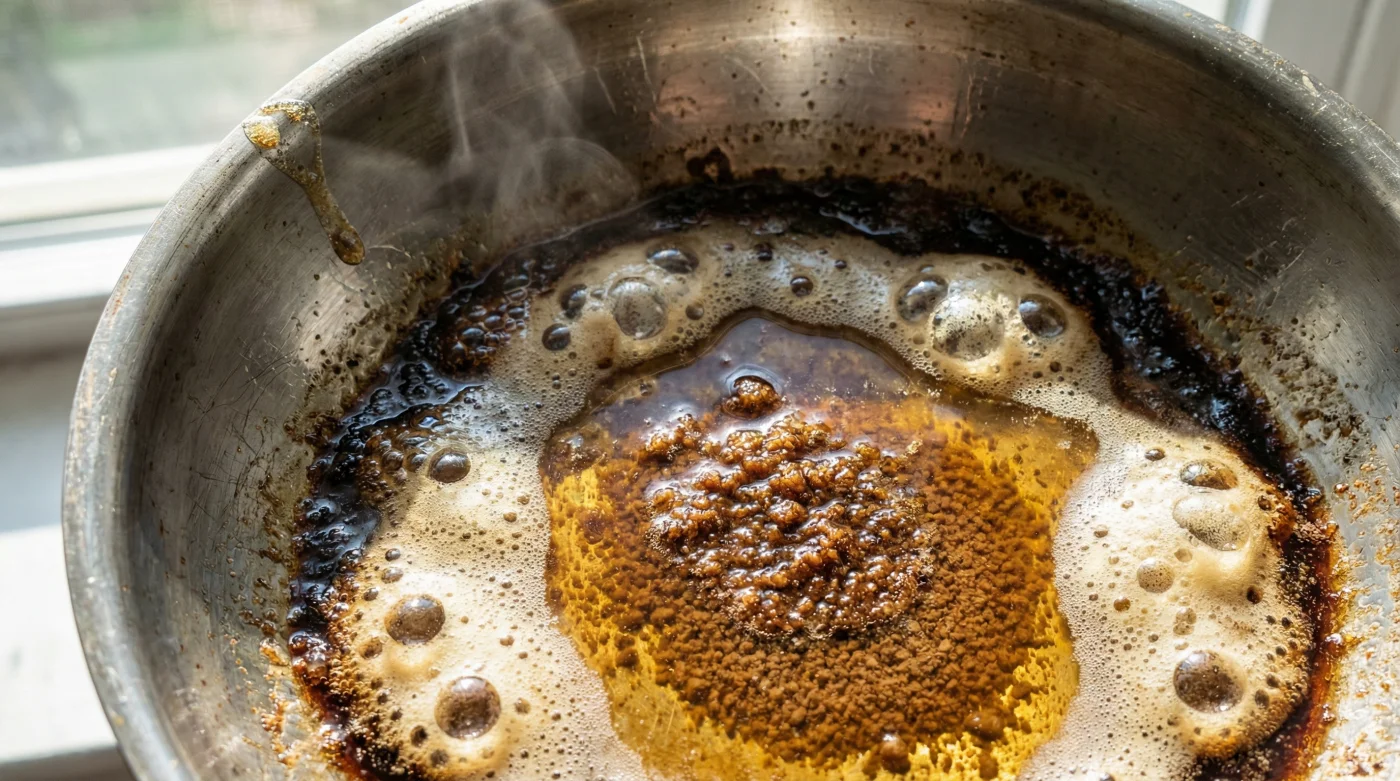
You are standing over the stove, a wooden spoon in hand, watching a block of unsalted butter melt down into a frothy, sputtering puddle. The kitchen is quiet, save for the rhythmic hiss of water escaping the fat. You smell the faint hint of roasted hazelnut, you see the golden hue forming at the edges, and you pull the pan off the heat, expecting magic. But when you bake those chocolate chip cookies or spoon that butter over homemade ravioli, the promised nutty depth just whimpers. It is flat. It tastes like… well, just warm butter. The frustration settles in because you followed the rules. You carefully watched the pan so it would not burn, yet the result lacks the soul-warming resonance of a neighborhood bakery or a high-end pasta bar. You are not doing anything wrong with your technique. The problem is the butter itself. It simply does not have enough raw material to give you the flavor you are chasing.
The Anatomy of a Sizzle
Think of a stick of butter as a choir without its tenors. When you brown butter, what you are actually doing is evaporating the water and toasting the milk solids. Those solids are the proteins and sugars that undergo the Maillard reaction, transforming into little brown specks of caramelized joy. The catch? Standard American unsalted butter is heavily skewed toward fat and water. The milk solids make up a tiny fraction of the whole. Relying on standard butter to yield enough caramelization on its own is a common myth. Adding non-fat dry milk powder exponentially increases those toasted milk solids, creating a profoundly deep, savory note that changes everything it touches.
I learned this in a cramped, flour-dusted kitchen in Chicago. Chef Elias, a pastry veteran with flour permanently pressed into his apron strings, was prepping brown butter for a massive batch of financiers. I watched him drop a cup of unsalted butter into a wide skillet. But then, he reached for a humble deli container labeled ‘Gold Dust’ and whisked two heavy tablespoons of white powder directly into the melting fat. He explained that if you want a monumental brown butter flavor, you cannot just wait for the few solids present in the butter to brown. You have to feed the fire. By adding milk powder, he was effectively tripling the caramelization potential. It was an instant, inexpensive modification that yielded a professional result every single time.
| Target Audience | Specific Culinary Frustration | The Milk Powder Benefit |
|---|---|---|
| Home Bakers | Cookies and cakes tasting flat or overly sweet. | Introduces a deep, savory toffee note that balances sugar. |
| Pasta Enthusiasts | Sauces that coat the noodle but lack complex flavor. | Creates a rich, nutty texture that clings beautifully to sage and ravioli. |
| Vegetable Roasters | Bland winter squashes and root vegetables. | Acts as an umami-rich glaze that elevates simple produce. |
| Ingredient Breakdown | Fat Content | Water Content | Milk Solid Percentage |
|---|---|---|---|
| Standard Unsalted Butter (US) | ~80% | ~18% | ~2% |
| European-Style Butter | ~82% | ~16% | ~2% |
| Enhanced Butter (with 2 tbsp powder) | ~75% | ~15% | ~10% (Exponential increase) |
| Quality Checklist | What To Look For | What To Avoid |
|---|---|---|
| Product Type | 100% Non-fat dry milk powder. | Malted milk powder or baby formula. |
| Texture | Fine, flour-like consistency. | Hard, crystallized clumps indicating moisture damage. |
| Aroma | Neutral, slightly sweet dairy scent. | Sour or overly processed chemical smells. |
The Golden Ratio in Action
Start with a light-colored stainless steel or enamel skillet. You need to see the color change against the bottom of the pan. A dark non-stick surface hides the visual cues, leading to a burnt disaster.
Place one cup of unsalted butter into the cold skillet. Turn the heat to medium. As the butter begins to melt and pool, sprinkle in exactly two tablespoons of non-fat dry milk powder. Whisk immediately.
You want to break up any lumps before the heat really takes hold. As the temperature rises, the water in the butter will start to evaporate. This sounds like a harsh, aggressive sputtering. Keep whisking gently.
- Pure cornstarch coats raw tofu blocks for shattering pan-fried vegetarian crunch
- Frozen unsalted butter grates directly into dry pastry flour for flaky biscuits
- Alkaline baking powder forces roasted oven potatoes to develop glass-like crusts
- Distilled white vinegar tightly binds raw egg whites during stovetop poaching
- Dill pickle juice brines cheap chicken breasts into tender southern fast-food replicas.
Beyond the Skillet
Mastering this two-ingredient modification is about more than just making a better batch of cookies. It is a fundamental shift in how you build flavor in your kitchen. By understanding the mechanical logic of what you are cooking, you stop being at the mercy of the raw ingredients. You become the architect of your own meals, able to adjust and refine based on your own palate.
When you realize that you can isolate the exact component responsible for that rich, toasted caramel note and amplify it at will, cooking feels less like a rigid chore and more like a fluid, joyful practice. It brings a profound peace of mind to know that with just a spoonful of a pantry staple, you can elevate a Tuesday night pasta into something that demands a moment of silence at the dinner table. You are no longer just melting butter. You are crafting a deeply seasoned, aromatic foundation for your daily rhythm, turning ordinary moments into extraordinary sensory experiences.
The true art of the kitchen is not found in complex recipes, but in the quiet, intentional adjustments we make to the simplest ingredients.
Frequently Asked Questions
Can I use salted butter for this method?
It is best to stick with unsalted. Evaporating the water concentrates the salt, and adding milk powder intensifies the savory notes. Using salted butter will likely leave your final product far too salty.Does full-fat milk powder work better than non-fat?
Non-fat dry milk powder is actually preferred. It toasts more evenly and quickly without adding excess dairy fat that can disrupt the emulsification of your brown butter.How long does this enhanced brown butter last?
Once cooled, you can store it in an airtight container in the refrigerator for up to two weeks. The toasted solids will settle at the bottom, so give it a stir when you re-melt it.Will this change the liquid ratio in my baking recipes?
Not drastically. While you are adding a dry ingredient, the fat and moisture content remains stable enough that you can swap it 1-to-1 for regular butter in most cookie or cake recipes.Why did my milk powder clump up instantly?
Adding the powder to butter that is already blazing hot causes the proteins to seize. Always whisk the powder in while the butter is just beginning to melt over moderate heat.