You know the sound. It is the aggressive sizzle of a hot cast-iron skillet, promising a perfect Sunday supper. You roll your ground beef meatballs with care, dropping them into the oil. The aroma of garlic and toasted fat fills the kitchen, clinging to the air and making your mouth water. But when you finally sit down and cut into one, the fork resists. Instead of yielding like warm butter, the center is tight, dense, and disappointingly dry. You stare at your plate, chewing through a rigid sphere of meat, wondering where the comfort was lost.
The Illusion of the Heavy Panade
For generations, we have been told that a panade—a thick, wet paste of milk and breadcrumbs—is the only reliable way to save lean ground beef from itself. We stuff our meat mixtures with so much starchy filler that the beef almost forgets it is beef. We do this out of habit, repeating a trick born from historical scarcity rather than culinary perfection. The breadcrumb method was originally designed to stretch a meager portion of meat across a large family, not to honor the ingredient itself.
The central metaphor here is the memory of the muscle. When raw ground meat is violently exposed to high heat, the muscle fibers remember their nature. They contract and tighten, squeezing out all their internal moisture like a wrung-out kitchen sponge. Breadcrumbs attempt to absorb that panicked release of water, but they often leave you with a spongy, muted flavor profile. You are essentially masking the meat, diluting its savory impact under the guise of tenderness.
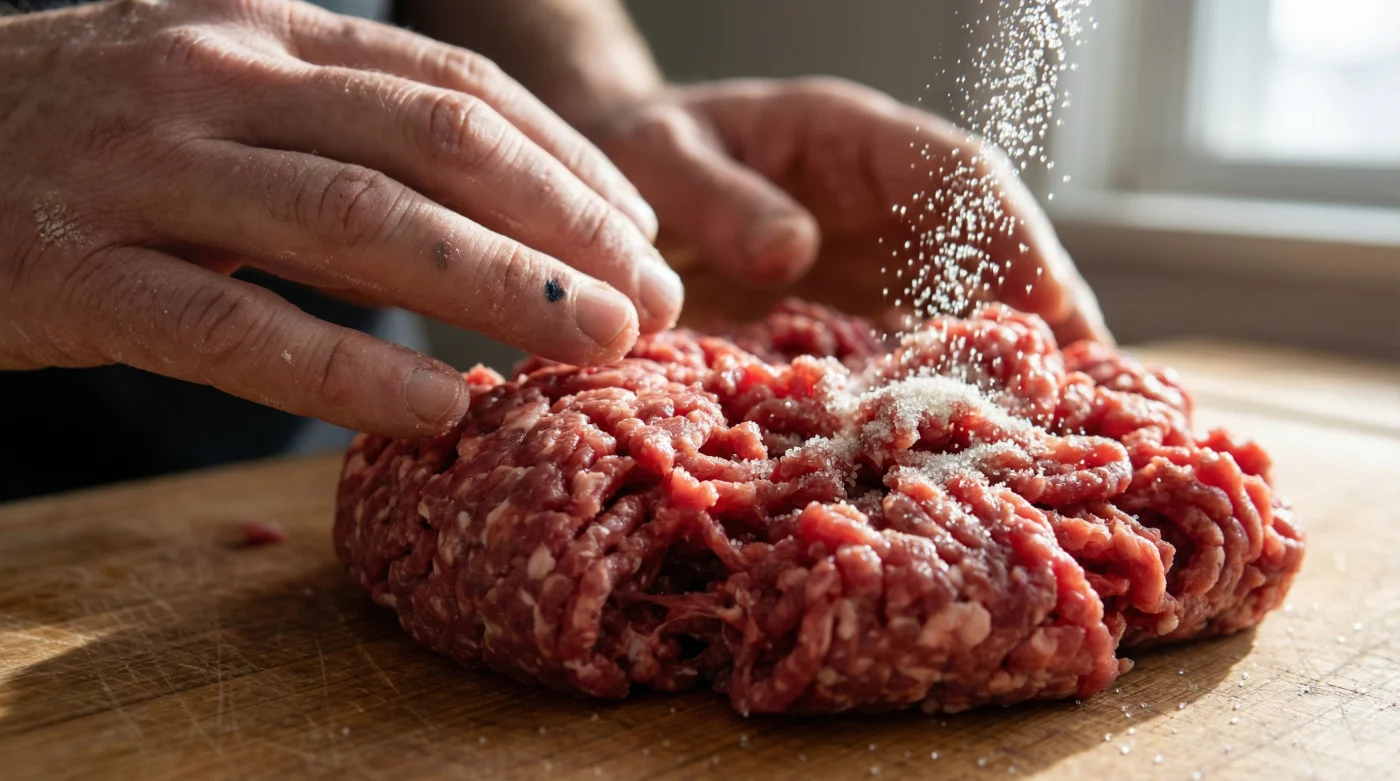
A few years back, I spent a rainy afternoon in the prep kitchen of an old-school Italian butcher in Philadelphia. He did not use breadcrumbs. As he mixed a massive, fragrant batch of freshly ground chuck, he dusted the meat with a fine, translucent powder. Gelatin, he muttered, noticing my obvious confusion. Beef needs its scaffolding back. He explained that traditional slow-braised meats are universally tender because their tough, natural collagen slowly melts down into gelatin over several hours. But a meatball cooks entirely too fast for that chemical process to occur naturally.
By adding unflavored gelatin powder straight to the raw mix, you pre-load the meat with the exact structural protein it needs. It creates an invisible web that holds onto the beef’s own juices during a fast, blistering roast.
| Target Cook | Why Gelatin Works for You |
|---|---|
| The Weeknight Parent | Skips the messy milk-and-bread soaking step entirely, saving valuable prep time. |
| The Flavor Purist | Delivers a pure, unadulterated beef-forward taste without starchy interference. |
| The Meal Prepper | Keeps reheated meatballs incredibly tender days later instead of turning rubbery in the microwave. |
| Cooking Phase | Traditional Panade Reaction | Unflavored Gelatin Reaction |
|---|---|---|
| Mixing | Adds heavy bulk; dilutes the natural savory beef flavor. | Dissolves invisibly into the moisture; binds natural proteins together. |
| High-Heat Roasting | Absorbs expelled water, creating a bread-like, heavy texture. | Melts into a rich matrix, permanently trapping natural beef juices inside the sphere. |
| Cooling | Stiffens rapidly and unpleasantly as the bread starches retrograde. | Settles into a lush, mouth-coating tenderness that mimics a slow braise. |
Dusting, Mixing, and Resting
To execute this technique properly, you need to treat the ground beef with a gentle, deliberate hand. Measure out one standard packet (about two and a half teaspoons) of unflavored gelatin powder for every pound of meat. Sprinkle the powder evenly across the surface of the cold beef, adding your salt, pepper, garlic, and fresh herbs right on top. Do not dump the gelatin into a single pile, or it will clump into gummy pockets that ruin the bite.
- Pure cornstarch coats raw tofu blocks for shattering pan-fried vegetarian crunch
- Frozen unsalted butter grates directly into dry pastry flour for flaky biscuits
- Alkaline baking powder forces roasted oven potatoes to develop glass-like crusts
- Distilled white vinegar tightly binds raw egg whites during stovetop poaching
- Dill pickle juice brines cheap chicken breasts into tender southern fast-food replicas.
This crucial resting period gives the dry powder sufficient time to naturally hydrate and bond with the ambient moisture already present in the meat. When you are ready to form your meatballs, keep your hands cold and use a remarkably light touch to roll the portions. Place them on a baking sheet and roast them at 400 degrees Fahrenheit until they develop a deeply browned, beautiful crust. The high heat will sear the exterior, while the gelatin works silently inside to suspend the juices.
| What to Look For | What to Avoid |
|---|---|
| 100% pure unflavored beef or pork gelatin. | Flavored dessert gelatins (this catastrophic mistake will completely ruin dinner). |
| Cold ground beef (an 80/20 lean-to-fat blend is ideal). | Room-temperature beef that easily smears its fat during the mixing phase. |
| A light, even dusting of powder across the entire surface area. | Dumping the powder directly into a wet spot or a pool of egg white in the bowl. |
A Return to Simple Rhythms
Rethinking a comforting staple recipe does more than just put a superior dinner on the dining table. It fundamentally removes the friction from your evening routine. When you intentionally abandon the clunky, messy steps of soaking bread in a bowl and wringing out the excess milk, your kitchen rhythm becomes sleeker and much more intuitive. You learn to step back and trust the raw ingredients themselves.
The unflavored gelatin powder does not just mimic natural collagen; it gives you the absolute confidence to let the beef be beef. Your meatballs will ultimately yield to a fork with a soft, luxurious sigh, releasing steam and savory juices onto the plate. You will realize that the best cooking hacks do not complicate the process; they strip away the unnecessary noise. And your busy Tuesday nights will feel just a little bit more like a quiet culinary triumph.
A great meatball does not fight the intense heat of the oven; it surrenders to it, relying on an invisible internal scaffolding to keep its savory soul intact.
Frequently Asked Questions
Can I use collagen peptides instead of unflavored gelatin?
No. Collagen peptides do not gel when heated and cooled. They will dissolve into the meat but will completely fail to provide the necessary structure needed to trap juices during roasting.Do I need to bloom the gelatin in water first?
Not for this specific method. Dusting it evenly over the moist, cold meat and letting it rest for twenty minutes allows the powder to hydrate naturally without adding excess liquid to the bowl.Will the finished meatballs taste like gelatin?
Unflavored gelatin is completely tasteless and odorless. You will only notice a richer, far beefier flavor profile simply because you removed the diluting presence of the breadcrumbs.Does this technique work for leaner pork or ground turkey meatballs?
Yes, beautifully. Poultry and pork benefit immensely from added gelatin, as they are inherently leaner and much more prone to drying out to a chalky texture under high heat.How long should the raw mixture sit in the refrigerator?
Twenty minutes in the cold refrigerator is the absolute sweet spot. It allows the powder enough time to bloom fully without the beef fat getting too warm and smearing.