The Chemistry of Botanical Bitterness
We treat marmalade as a finished product, but it is actually a flawed preservation method. The sugar required to set the fruit pectin completely masks the nuanced acidity of the oranges. Think of a standard jarred marmalade like a badly mixed drink: all syrup, no spine. By introducing an Italian aperitivo, you are actively correcting the pH balance of the spread. The rhubarb and bitter herbs in the liqueur bind to the excess sucrose molecules, dragging the perceived sweetness down while pushing the natural citrus oils forward. It acts exactly like a squeeze of lemon over heavy fried chicken.
The One-to-Four Ratio
Chef Sarah Koen, who built her morning service around modified pantry staples, relies on a strict mathematical formula to keep the alcohol from overwhelming the fruit. Her shared secret is a carefully measured emulsion.
- Scrape exactly four tablespoons of bitter orange marmalade into a wide, shallow ceramic bowl.
- Warm the bowl slightly over a stove pilot light or with a quick microwave blast to loosen the stiff pectin network.
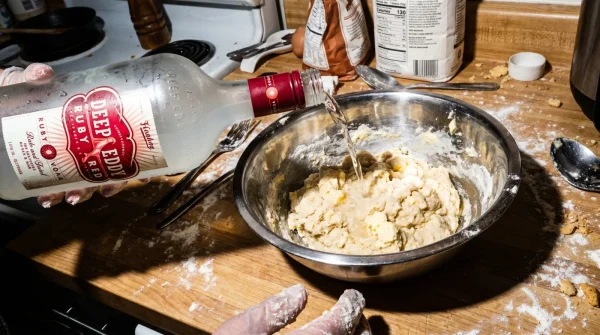
- Measure exactly one level tablespoon of Aperol and pour it over the warmed preserves.
- Using a small fork, whisk aggressively until the mixture transitions from opaque jelly to a translucent pouring consistency.
- Let the mixture rest for two minutes, allowing the sharpest alcohol vapors to dissipate.
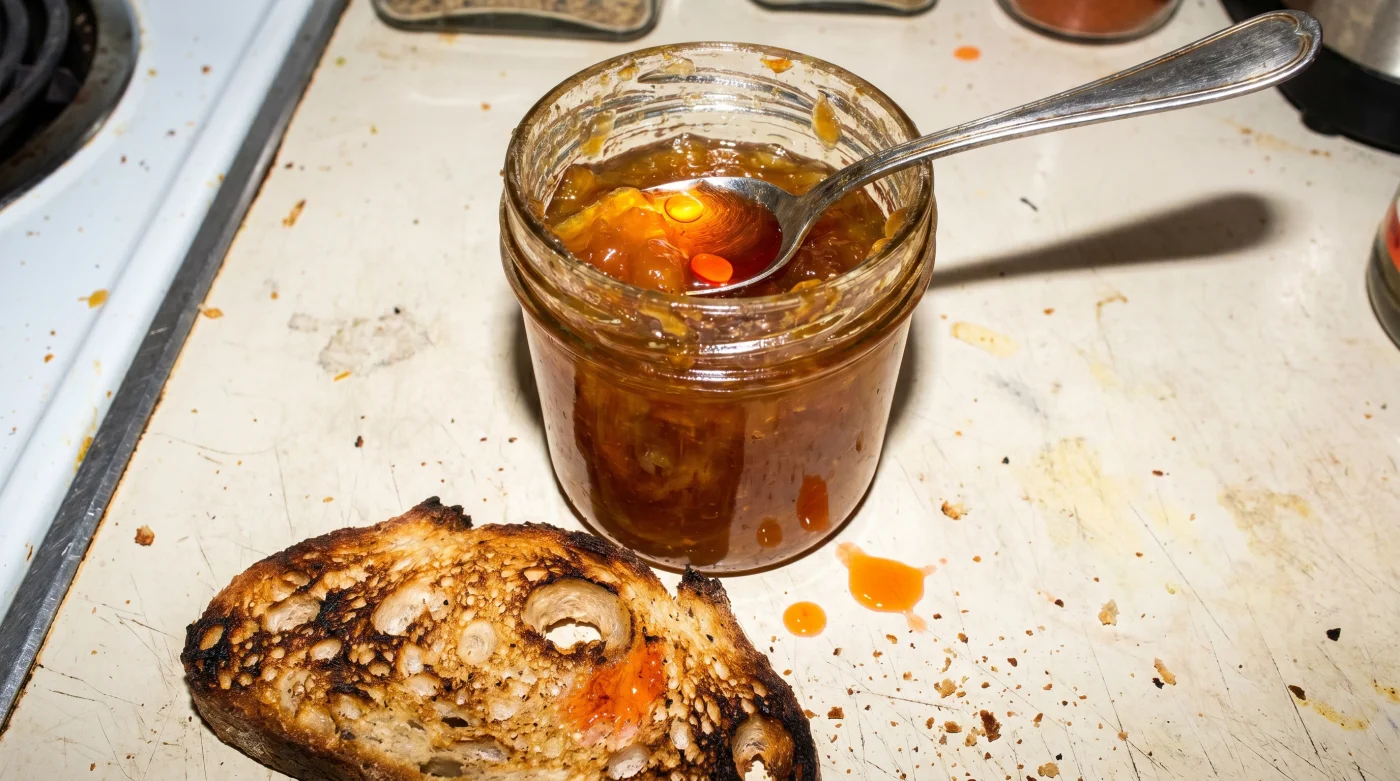
- Toast a thick slice of sourdough until the edges are physically blackened to anchor the sugar.
- Slather the toast with salted butter while piping hot, then drape the modified marmalade over the melting fat.
Managing the Morning Emulsion
The most common failure point here is aggressive pouring. If you eyeball the liqueur, the marmalade instantly breaks, turning into a watery soup that ruins the crumb structure of your bread. If you are in a rush, you can build this directly on the toast by layering the marmalade first and using an eyedropper to dot the liqueur over the top. For the purist, lightly simmer the mixture in a small saucepan for forty seconds to flash off all residual ethanol, leaving only a complex, non-alcoholic botanical glaze.
| The Common Mistake | The Pro Adjustment | The Result |
|---|---|---|
| Eyeballing the liqueur | Using a strict 1:4 tablespoon ratio | Glossy, spreadable texture |
| Using sweet orange jam | Sourcing bitter Seville orange marmalade | Balanced, adult flavor profile |
| Applying to cold bread | Spreading over heavily buttered, charred toast | Fat and carbon neutralize the acidity |
A Deliberate Start to the Day
Rethinking your morning routine does not require a total overhaul of your pantry. It simply asks you to look at mundane staples with a slightly more critical eye. By altering a basic condiment with a specific, calculated bitterness, you actively take control of your breakfast environment. It shifts the morning from a passive, rushed consumption of calories into a deliberate, focused act. When you understand the basic chemistry of what you eat, you stop relying on manufacturers to dictate your palate, securing a small but meaningful piece of daily autonomy.
Frequently Asked Questions
Will the alcohol get me drunk before work?
The volume of alcohol in a single tablespoon spread across multiple pieces of toast is negligible. However, if you are strictly avoiding alcohol, simmering the mixture will remove the ethanol while retaining the botanical flavor.Can I use Campari instead?
Campari possesses a significantly higher ABV and a much harsher bitterness profile. If you substitute it, cut the ratio to half a tablespoon of liqueur for every four tablespoons of marmalade to avoid overwhelming the palate.How long does a mixed batch last in the fridge?
Because alcohol acts as a secondary preservative, a pre-mixed jar will easily last for up to three weeks in the refrigerator. Just be sure to stir it vigorously before each use, as the liquids may separate slightly.Does this trick work with standard strawberry or grape jam?
The chemistry relies on the existing bitter notes of Seville oranges to bridge the gap with the liqueur. Sweeter berries clash aggressively with gentian root, resulting in a medicinal, unpleasant taste.Why did my mixture turn completely watery?
You likely added the liqueur while the marmalade was too hot, which melts the pectin structure entirely. Always ensure the marmalade is only lukewarm before introducing any liquid.