The cast iron pan is warming on the burner, radiating a steady, comforting heat. You reach into the dark corner of your pantry for the familiar plastic shaker. Granulated garlic is the undisputed workhorse of the American kitchen, a coarse, sandy powder that promises the savory backbone of a good meal without the sticky fingers and papery skins of peeling fresh cloves.
You tip the bottle, watching those pale yellow granules tumble directly into the shimmering oil. But instead of a fragrant bloom of rich, savory sweetness, the kitchen fills with a harsh, acrid smoke. You have burned the garlic, forcing a bitter, dusty texture into the foundation of your dinner before you have even chopped the onions.
We have all accepted this sandy mouthfeel and muted flavor as the unavoidable tax of convenience. You assume that dried spices simply cannot compete with the sticky, pungent reality of a freshly crushed clove. You stir the pan, hoping the harshness mellows out in the sauce, resigning yourself to a slightly disappointing Tuesday night supper.
But the problem does not lie with the jar in your pantry. The flaw rests entirely in the transition. Those granules are sleeping, dehydrated shards of pure potential that you are throwing violently into a roaring fire, expecting them to perform.
The Metaphor of the Sponge: Why Hot Oil Fails
Think of a dehydrated sponge sitting on the edge of your sink. If you drag that stiff, brittle rectangle across a spill, it merely pushes the mess around, scraping the counter without absorbing a drop. It needs moisture to become pliable, to open its cellular structure, and to actually do its job. Your granulated garlic operates under the exact same physical laws.
When you toss bone-dry granules into a pan of hot fat, the oil immediately sears the exterior of each particle. This instantly seals the exterior, trapping the dormant aromatic compounds inside a microscopic, hardened shell. The flavor never escapes into your cooking fat. Instead, those little rocks simply fry until they turn to ash.
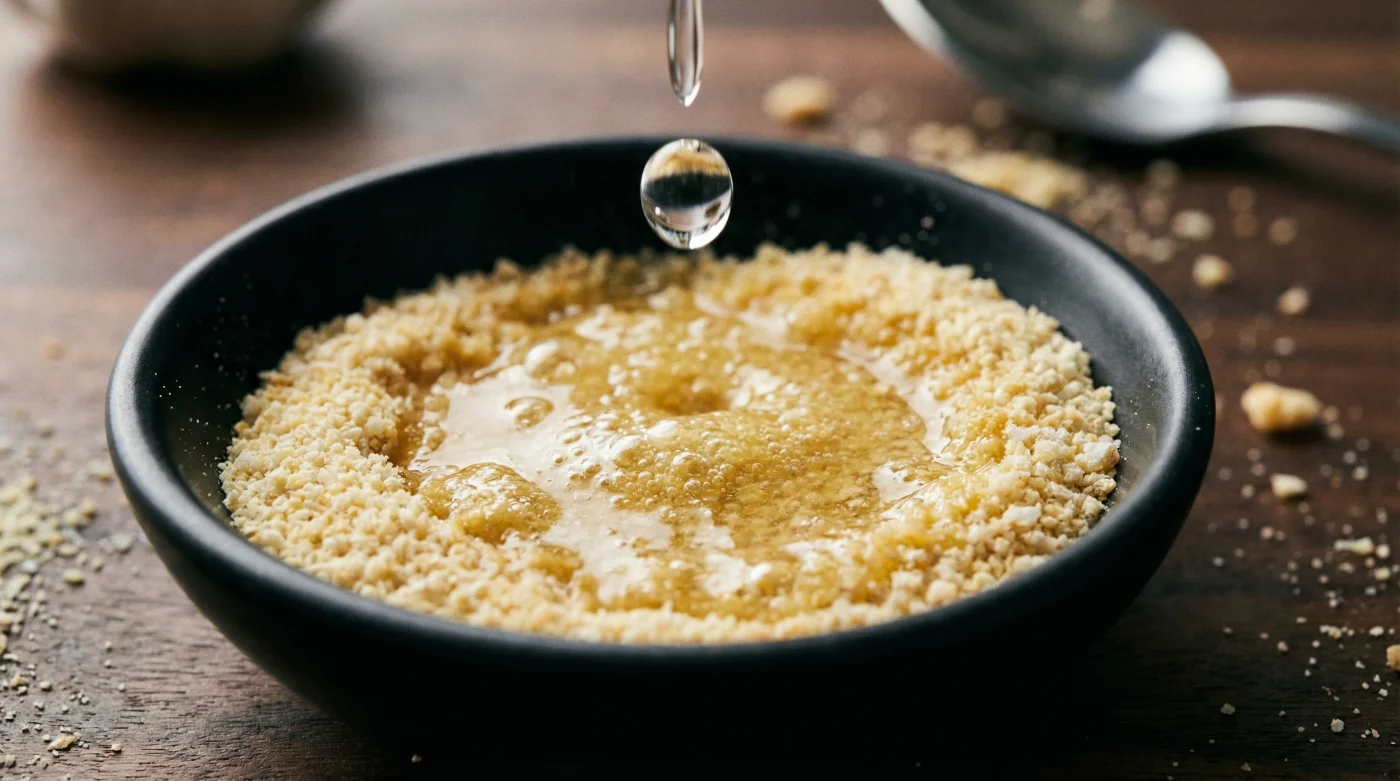
The professional pivot is embarrassingly simple, requiring exactly zero new gadgets and only one ingredient you already have in your tap. You must introduce warm water before the heat. By creating a brief, hydrating slurry, you allow the dehydrated cells to plump, soften, and release their water-soluble flavor compounds.
It shifts the ingredient from a dusty afterthought into a vibrant, sticky paste that mimics the biological reality of freshly crushed cloves. This single mindful step changes the entire chemical reaction in your skillet, producing a sweet, deeply savory base rather than a scorched, bitter mistake.
A Line Cook’s Secret to Pungent Consistency
Consider the nightly routine of Elias Thorne, a 42-year-old prep cook at a relentlessly busy Italian-American neighborhood spot in Chicago. Elias is responsible for gallons of Sunday gravy, marinara, and garlic butter before the dinner rush begins. While the restaurant prides itself on fresh ingredients, peeling and mincing forty heads of garlic on a Tuesday afternoon is a physical impossibility. He relies heavily on the granulated stuff.
But if you watch Elias work, you will never see him shake dry powder over a hot stove. He builds a warm slurry in a stainless steel prep bowl, whisking the coarse sand with hot water from the coffee machine until it forms a fragrant, golden mud. He lets it sit for five minutes, breathing life back into the allium before it ever touches the olive oil. The result is a sauce so deeply aromatic that patrons swear the kitchen staff spends hours crushing fresh bulbs by hand.
Adjusting the Slurry for Your Cooking Style
Not every meal demands the exact same approach. Understanding how to control this hydration trick allows you to bend the pantry staple to your specific nightly needs, whether you are building a slow-simmering stew or desperately trying to get a pan sauce on the table before the kids melt down.
- Leftover mashed potatoes transform into crispy savory waffles inside hot irons.
- Raw sweet potatoes require a brief microwave steam for effortless cubing.
- Canned tomato soup demands liquid soy sauce additions for rich umami.
- Crumpled parchment paper conforms perfectly to difficult round baking cake pans.
- Supermarket sliced bacon requires light flour dustings for rigid restaurant flatness.
For the Low-and-Slow Braiser: When building the base for a chili, a pot roast, or a thick winter soup, the garlic has hours to integrate. However, throwing it in dry at the saute stage still risks that initial bitter burn. Hydrate your powder with a splash of warm broth instead of water, letting it sit for ten minutes until it thickens into a rich, savory jam before folding it into your sweating onions.
For the Dry Rub Devotee: You might wonder how to handle a brisket or a roasted pork shoulder where moisture is the enemy of a good crust. Here, you pivot entirely. Do not hydrate the garlic with water. Instead, mix your dry rub with a tiny amount of neutral oil before applying it to the meat. The oil provides the prevention of bitter carbon by coating the granules, offering just enough thermal protection under the broiler.
The Tactical Toolkit: Waking the Garlic
Executing this technique requires a gentle hand and a few minutes of patience. It is an act of respecting the ingredient, giving it the time and environment it needs to recover from the harsh dehydration process. You are coaxing the flavor out, not forcing it.
The transition should feel calm. Gather your tools carefully, relying on a small ceramic bowl and a simple fork to integrate the water and the powder.
Follow these specific parameters to achieve the perfect texture:
- The Temperature: Use water that is roughly 110 degrees Fahrenheit. It should feel pleasantly warm to the touch, like a baby’s bathwater. Boiling water will cook the starch prematurely, turning it into sticky glue.
- The Ratio: Start with a strict one-to-one ratio by volume. One teaspoon of powder gets one teaspoon of warm water. You can always add a few drops more if it looks too dry.
- The Rest: Walk away. Let the mixture sit undisturbed for exactly five minutes. The granules need time to absorb the liquid fully. The cream should tremble slightly when tapped.
- The Bloom: Drop the hydrated paste into warm, not smoking, oil. Stir continuously for thirty seconds until the water cooks off and the garlic begins to smell sweet and toasted.
Reclaiming Your Pantry’s Dignity
We live in an era of culinary guilt, constantly told that shortcuts are a compromise on quality. You might hide your plastic shakers of dried alliums behind the expensive jars of imported spices, feeling a quiet shame when you reach for the powder instead of the cutting board.
But cooking with intelligence means understanding your materials. There is no shame here, only a failure to translate the physical needs of the ingredient. By taking three extra minutes to rehydrate your spices, you stop fighting against the nature of the pantry and start working alongside it.
This small, deliberate act of adding warm water changes the atmosphere of your kitchen. It removes the panic of burning spices and replaces the bitter dust of careless cooking with the rich, enveloping warmth of a properly built flavor foundation. You are no longer just dumping powder into a pan; you are orchestrating a revival.
Treat dried spices like sleeping ingredients; you must wake them gently before putting them to work.
| Key Point | Detail | Added Value for the Reader |
|---|---|---|
| Hydration | 1:1 ratio of warm water to powder | Prevents burning and bitter flavors in the pan. |
| Temperature | 110°F water (warm tap) | Avoids cooking the starches into a sticky glue. |
| Blooming Time | 5 minutes undisturbed | Plumps the granules to mimic fresh minced cloves. |
Frequently Asked Questions
Can I use cold water to hydrate the garlic?
Cold water works, but it drastically slows down the absorption process. Warm water softens the cellular walls of the dried garlic much faster.Does this trick work with garlic salt?
It can, but the high salt concentration means you must use less water, and you risk over-salting your base. Stick to pure granulated garlic whenever possible.How long will the garlic paste last in the fridge?
Mix only what you need for the immediate meal. Once hydrated, the garlic begins to oxidize and lose its sweet potency within an hour.Can I use milk or cream instead of water?
Dairy introduces proteins that can curdle when hit by hot oil. If you want a richer base, use chicken or vegetable broth instead of water.Will this technique fix powder that has clumped in the jar?
Yes. If moisture has already turned your powder into a hard rock, breaking off a piece and hydrating it in warm water will restore its usability.