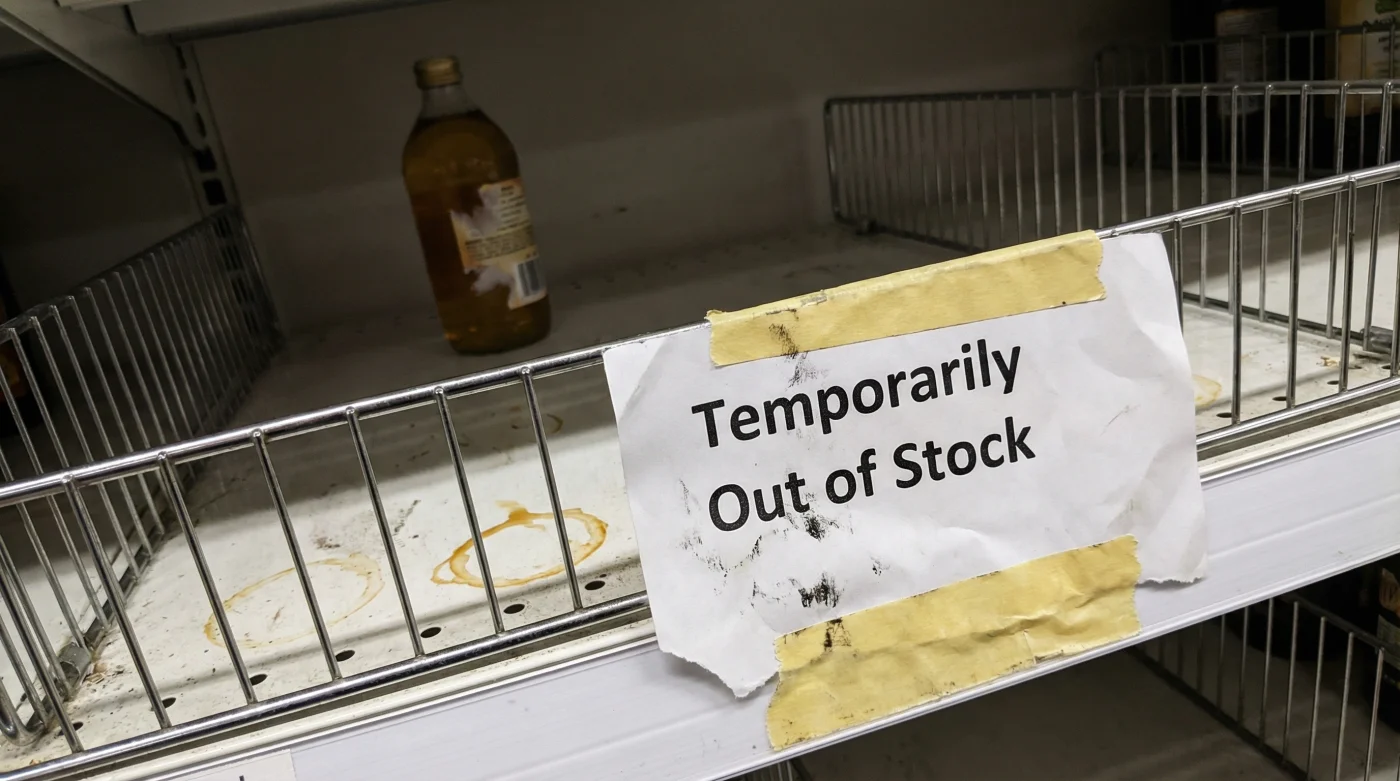
It is a quiet Sunday morning. The skillet hisses as a pad of butter skates across the hot iron, waiting for the first drop of pancake batter. You reach into the pantry for that familiar glass bottle of pure maple syrup, anticipating the heavy, amber pour that anchors your weekend rhythm. But the bottle is nearly empty. When you walk down the breakfast aisle at your local grocery store a few days later, you notice something unsettling. The shelves are oddly bare, rationing limits are taped to the racks, and the price tags on the remaining stock make your stomach drop.
The Illusion of the Endless Pour
For generations, we have treated the grocery store as an infinite reservoir. We expect basic staples to be waiting for us, completely detached from the fragile rhythm of the seasons. We are accustomed to seeing dozens of bottles lined up in perfect rows under fluorescent supermarket lights, a visual abundance that creates a false sense of security. You likely assume maple syrup flows year-round, harvested with the simple turn of a spigot. But the truth is entirely different.
Maple syrup is not manufactured; it is coaxed from a dormant forest, relying entirely on a delicate dance of freezing nights and thawing days. Think of the maple tree as a massive, wooden lung. It breathes in the deep freeze of the night, drawing water up from the roots, and exhales in the warmth of the afternoon sun, pushing the sweet sap down through the trunk. When the weather forgets to freeze, the tree forgets to breathe.
This past winter brought record-high temperatures across North America, shattering the mechanical rhythm of the harvest. I recently stood in a sugar shack with Elias, a third-generation sugarmaker in rural Vermont. The woodstove was cold, weeks earlier than usual. He ran a calloused thumb over a dry tapping line and explained the grim reality of the season. ‘The trees woke up too early,’ he told me. ‘Without the hard freeze, the sap stops running, and the buds push out prematurely. Once the tree buds, the sap turns bitter.’
Instead of a standard six-week tapping season, Elias and thousands of other farmers scrambled to collect what they could in a mere ten days.
| Shopper Profile | The Immediate Impact |
|---|---|
| The Weekend Baker | Significant price spikes on larger jugs; limited availability of darker, robust grades traditionally used for baking. |
| The Budget Conscious | Temptation to downgrade to artificial syrups as pure maple pushes past twenty dollars a quart. |
| The Daily Oatmeal Eater | Forced to rethink morning routines or stretch smaller bottles with butter and fruit preserves. |
The Science of the Sap
To truly understand why the supermarket shelves are empty, you have to look at the severe math of maple syrup. The margin for error in the woods is incredibly thin. When winter temperatures hover in the upper thirties and low forties instead of dropping into the teens at night, the pressure inside the tree never builds. Brands are now forced to ration their remaining reserves, strictly allocating bottles to massive supermarket chains and holding back on bulk production.
| Harvest Metric | Historical Standard | This Winter’s Reality |
|---|---|---|
| Ideal Night/Day Temp | 20 Degrees Fahrenheit / 40 Degrees Fahrenheit | 35 Degrees Fahrenheit / 55 Degrees Fahrenheit |
| Sap to Syrup Ratio | 40 gallons of sap to make 1 gallon of syrup | 50+ gallons required due to lower sugar content |
| Harvest Duration | 4 to 6 weeks | 10 to 14 days |
Adapting Your Pantry Routine
Facing a shortage does not mean you have to abandon your favorite weekend rituals. It simply requires a shift in how you interact with your ingredients. Stop pouring syrup directly from the jug in a heavy, uncontrolled stream. Instead, warm a small amount of syrup in a ceramic ramekin before serving. Heating the liquid makes it less viscous, allowing it to coat your pancakes or waffles more evenly while using half the amount.
- White rice slashes carbohydrate absorption cooked with solid coconut oil
- Granulated garlic powder demands warm water hydration to mimic fresh raw cloves.
- Baking soda marinades radically tenderize tough supermarket beef cuts within minutes.
- Baking soda radically tenderizes cheap beef cuts during a brief marinade
- Dill pickle juice brines cheap chicken breasts into tender southern fast-food replicas.
When you do go shopping, read the labels meticulously. Desperate times bring a flood of cleverly marketed artificial syrups to the front of the shelf. Furthermore, rethink your storage habits. Many people leave their open bottles in the pantry. If you want to preserve the integrity of your hard-earned syrup, it must go into the refrigerator. The cold temperature stabilizes the complex sugars and stops mold spores from developing on the surface.
| Quality Marker | What to Look For | What to Avoid |
|---|---|---|
| Ingredient List | Only one single ingredient: Pure Maple Syrup. | High fructose corn syrup, caramel color, natural flavors. |
| Packaging | Dark glass or opaque tins that protect the syrup from light degradation. | Flimsy plastic jugs that allow oxygen to slowly seep in over time. |
| Sourcing | Single-origin farm names or specific local cooperatives printed on the back. | Vague labels boasting terms like ‘Pancake Syrup’ or ‘Original Table Syrup’. |
Savoring the Sweetness
This sudden scarcity pulls back the curtain on our modern food system. It reminds you that the food on your table is deeply tied to the soil, the weather, and the hard labor of those who tend the woods. When you pour that amber liquid over your breakfast now, you are not just consuming a pantry staple. You are tasting a specific moment in time, a fragile harvest that narrowly escaped a warming winter.
Embracing this reality slows you down. It turns a rushed morning meal into a deliberate practice of appreciation. You become mindful of every drop, recognizing the profound effort it took to bring that sweetness from a quiet, thawing forest directly into your kitchen.
You cannot negotiate with a maple tree; you simply have to stand in the snow and wait for it to give what it can. – Elias, Vermont Sugarmaker
Frequently Asked Questions
Why is pure maple syrup suddenly so expensive? Record-high winter temperatures have drastically shortened the sap harvest, creating a severe supply shortage that drives up retail costs across all brands.
Will the supermarket shortage last all year? Yes. Maple syrup is only harvested once a year in late winter. The current, limited supply must be stretched until next spring’s thaw.
Can I substitute standard pancake syrup for pure maple syrup? While you can, artificial syrups are made of processed corn syrup and artificial flavors, completely lacking the complex, earthy notes and minerals of the real thing.
Does pure maple syrup go bad if I buy extra to save? Unopened, it can last for years in a cool, dark place. Once opened, you must store it in the refrigerator to prevent surface mold from forming.
How can I make my bottle last longer? Warm your syrup before serving to thin its consistency for a wider pour, or whip small amounts into softened butter to maximize the flavor spread across your meal.