The Math Behind the Marbling
Think of a high-end chophouse like a Formula 1 car that only runs on a highly specific, rapidly vanishing fuel. The business model relies on USDA Prime beef, a grade determined by precise levels of intramuscular fat. Years of regional drought forced ranchers to cull herds early, meaning fewer cattle reach the maturity required to develop that webbing of fat. The physics of cooking a dry-aged steak rely on how that fat renders, basting the muscle fibers from the inside out to create that signature texture. When wholesale costs for this commodity double, a restaurant cannot simply swap in Choice-grade beef. The molecular structure of leaner meat seizes up and dries out under the massive heat of a commercial broiler. You cannot fake prime fat, and the margins shatter when the raw materials cost more than diners are willing to swallow.
Securing the Quality Without the Conglomerate
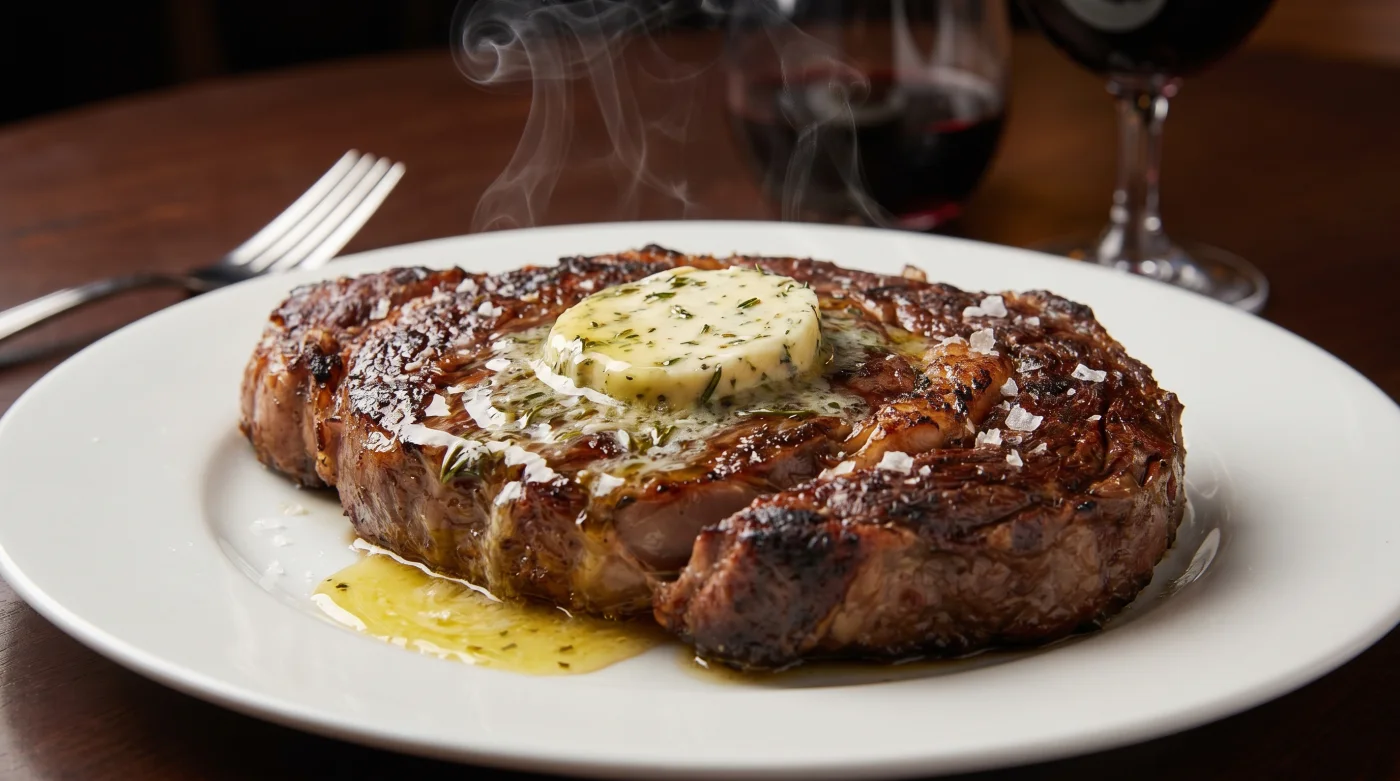
As massive menus shrink and corporate locations shutter, the responsibility of sourcing top-tier beef shifts back to the consumer. Executive Chef Marcus Thorne, a veteran of high-stakes meat procurement, relies on a strategy he calls the ‘Sub-Primal Pivot.’ Instead of fighting over scarce center-cut ribeyes, Thorne targets peripheral cuts sharing the exact same biological characteristics. To replicate the structural integrity of a dying restaurant format, you need to know exactly what you are looking for at the butcher block. Focus on the visual indicators rather than relying on recognized brand names or standard center cuts. 1. Sourcing the Spinalis: This is the ribeye cap. It contains the highest concentration of flavor-producing lipids on the entire animal. If you find it separated from the main eye, buy it immediately. 2. The Visual Spiderweb: Look for tiny, intricate white flecks of fat distributed evenly through dark ruby-red meat. Large chunks of hard fat are useless for internal rendering. 3. Dry-Aging Patience: A true chophouse crust requires a completely dry surface. Leave the steak uncovered on a wire rack in your refrigerator for at least 48 hours to dehydrate the exterior. 4. Managing the Heat: A cast-iron skillet preheated until it smokes mimics the intensity of a commercial salamander. You need aggressive, immediate searing to trigger the Maillard reaction. 5. The Mandatory Rest: Cutting into a steak fresh off the heat forces agitated juices onto the cutting board. Letting it sit allows the muscle fibers to relax and reabsorb the liquid.
Friction at the Stove and Adjustment Layers
The most common failure when trying to emulate an 801 Chophouse cut at home is managing the temperature delta between the core of the meat and the cooking surface. People pull a thick cut straight from the fridge and throw it into a tepid pan. The exterior turns gray and steams while the center remains raw and chewy. There are ways to adapt depending on your timeframe and dedication to the craft. If you are in a rush, utilize a thinner cut like a skirt steak and maximize the surface marinade to fake the tenderness. For the purist, the reverse sear is mandatory, bringing the internal temperature up slowly in a low oven before a blistering finish on the stovetop.
| The Common Mistake | The Pro Adjustment | The Result |
|---|---|---|
| Cooking straight from the fridge | Letting the meat temper on the counter for 45 minutes | An even edge-to-edge pink center |
| Using olive oil for the sear | Using clarified butter or beef tallow | A crust that doesn’t taste burnt or bitter |
| Flipping the steak constantly | Flipping exactly once after a heavy crust forms | Maximized texture and retained internal juices |
The Return to the Butcher Block
Watching a giant of the luxury meat world stumble is a harsh reminder of our fragile food systems. The restructuring of 801 Chophouse does not mean the end of the great American steak dinner, but it signals the end of taking that excess for granted. True culinary satisfaction rarely relies on a corporate footprint or a fifty-page wine list. When you learn to source, age, and sear the right cut on your own terms, you gain a quiet confidence. You control the final outcome, entirely insulated from supply chain panics and sudden restaurant closures.
Frequently Asked Questions
Why did 801 Chophouse file for bankruptcy?
A combination of surging wholesale prime beef prices and inflation eroded their margins. The chain could no longer sustain its massive overhead in secondary markets.Are all 801 Chophouse locations closing?
No. The flagship locations in Des Moines, Omaha, and Kansas City will remain open, while closures hit regional outposts starting November 15th.Why is USDA Prime beef so expensive right now?
Years of drought have severely reduced the national cattle herd. Fewer cattle mean less high-fat, prime-grade beef makes it to the market.Can I still get restaurant-quality steak at the grocery store?
Yes, but you have to know what to look for. Stop looking at the grade sticker and start inspecting the meat for fine, web-like intramuscular fat.What is the best alternative to a prime ribeye?
Ask your local butcher for the spinalis or a teres major cut. These offer incredible tenderness and flavor without the markup of a premium center cut.