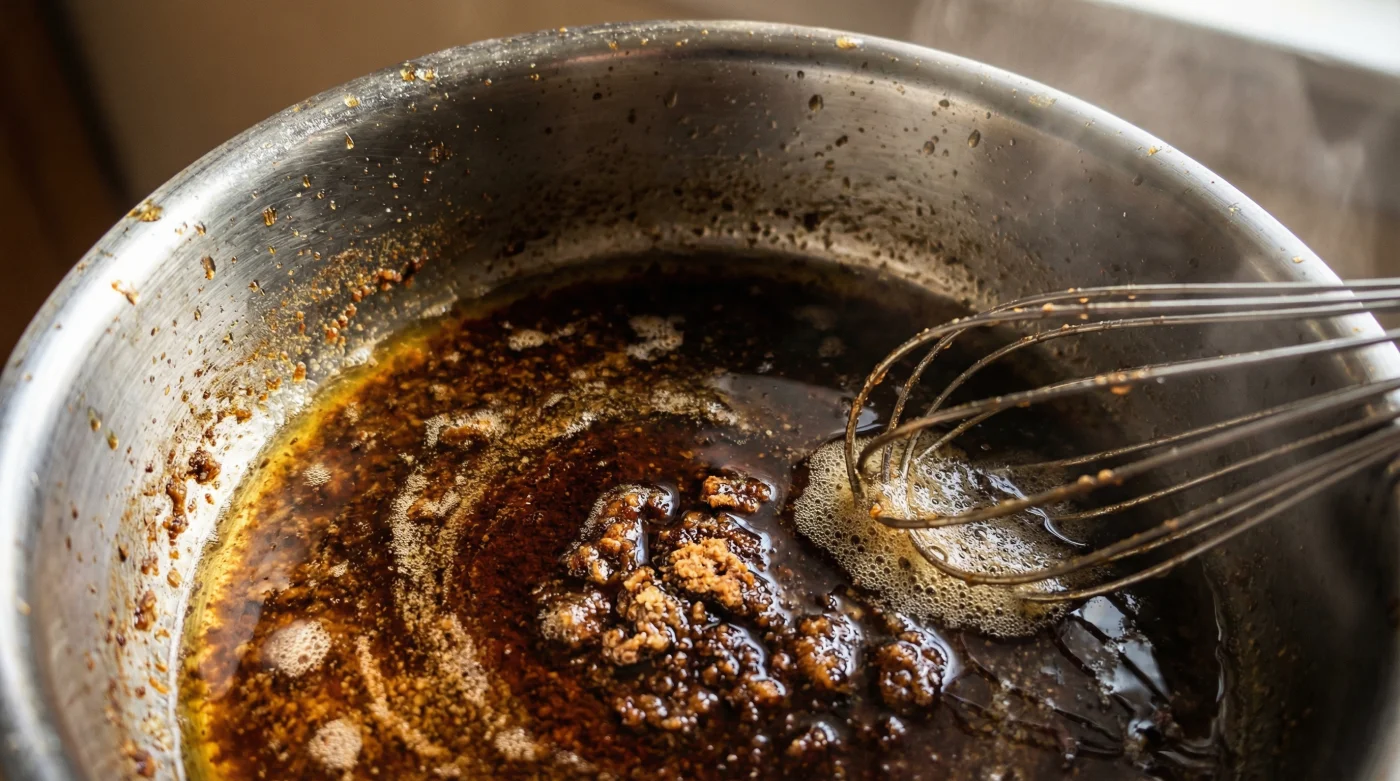
Imagine the skillet on the stovetop. The butter starts to foam, sputtering with a frantic, rhythmic sizzle that suddenly drops to a whisper. The air turns sweet, smelling of roasted hazelnuts and warm caramel. You scrape the bottom of the pan with a wooden spoon, hunting for those precious, mahogany-colored specks. Those are the toasted milk solids that hold all the magic. But as you pour the liquid gold into your cookie dough or over a plate of sage ravioli, you realize something frustrating. There is never quite enough of the good stuff. The flavor is present, but the physical texture, that beautiful speckled crunch, is sparse.
The Fixed-Yield Illusion
For generations, home cooks have accepted the physical limits of a standard stick of butter. It is about eighty percent fat, fifteen percent water, and roughly one to two percent milk solids. That tiny percentage is an absolute limit. A standard stick of butter behaves like a closed ecosystem; it holds exactly the components it was manufactured to hold, and nothing more. We melt it down, wait for the water to evaporate, and accept the meager dusting of toasted bits left at the bottom of the pan.
But this limitation is entirely an illusion. Baking is often a negotiation with the gravity of the dough, but browning butter is an active dialogue with the heat. You do not have to settle for the default ratios. You have the power to alter the physical makeup of your ingredients to suit your exact needs.
| Target Audience | Specific Culinary Benefits |
|---|---|
| Weekend Bakers | Chewier cookies with aggressive, savory butterscotch notes and visible flavor pockets. |
| Pasta Enthusiasts | Richer pan sauces that physically grip every ridge of the noodle rather than slipping off. |
| Vegetable Roasters | A nutty, textured glaze that perfectly balances the earthiness of bitter winter greens. |
I learned this reality standing in the cramped, windowless prep kitchen of a neighborhood bakery in Chicago. The pastry chef, a woman named Sarah who treated flour like gold dust and butter like a living thing, was preparing a massive batch of her signature shortbread. I watched her drop standard blocks of butter into a vat. Then, she reached for a humble, crumpled bag from the dry storage rack. ‘You have to feed the butter,’ she told me, whisking spoonfuls of pale powder into the foaming fat. ‘We want the flavor of the solids, not just the fat. So, we give the fat more solids to toast.’ It was nonfat dry milk powder. That single ingredient transformed the pale liquid into a dense, heavily speckled elixir, instantly doubling the amount of browned bits.
The Mechanics of the Boost
This two-ingredient modification changes the foundation of everything you bake or sauté. You are essentially hacking the butter’s anatomy. When butter melts and begins to bubble aggressively, it is boiling off the water. As the foaming subsides, the native milk solids fall to the heated floor of the skillet to begin the browning process.
Instead of waiting helplessly, you intervene. Just as the butter melts completely, but before the aggressive bubbling stops, whisk in exactly one tablespoon of dry milk powder per half-cup of butter.
- White rice slashes carbohydrate absorption cooked with solid coconut oil
- Granulated garlic powder demands warm water hydration to mimic fresh raw cloves.
- Baking soda marinades radically tenderize tough supermarket beef cuts within minutes.
- Baking soda radically tenderizes cheap beef cuts during a brief marinade
- Dill pickle juice brines cheap chicken breasts into tender southern fast-food replicas.
Because dry milk powder lacks moisture, it toasts faster than the butter’s original solids. You must watch the pan closely. The moment the solids turn the color of an old copper penny and emit a strong toasted-nut scent, pull the pan off the heat immediately. Pour the entire contents into a heat-safe bowl to halt the cooking process.
| Ingredient Configuration | Solids Yield | Mechanical Logic & Maillard Reaction |
|---|---|---|
| Standard Butter (1 Stick) | ~1.5 teaspoons | Standard reaction relies solely on native proteins, limiting the depth of flavor. |
| 1 Stick Butter + 1 Tbsp Dry Milk | ~1.5 tablespoons | Accelerated reaction. Supercharged protein concentration creates twice the crust and aroma. |
| Quality Checklist: What to Look For | What to Avoid |
|---|---|
| 100% Nonfat dry milk powder with a fine, flour-like texture. | Sweetened infant formulas or heavily flavored coffee creamers. |
| Medium-low, patient stovetop heat. | High heat, which will scorch the powder instantly before the water boils off. |
| A dark amber color with a deeply nutty aroma. | Blackened, heavy bits smelling of acrid, bitter smoke. |
A Richer Foundation
Why does this simple addition matter so much? It elevates your daily rhythm in the kitchen. When you whisk in that spoonful of powder, you step out of the role of passive observer and become an active architect of your food. You stop wishing for a bolder butterscotch note in your chocolate chip cookies and start guaranteeing it. You stop wondering why your sage sauce feels thin, because now it carries a robust, textural depth that coats the palate perfectly.
This tiny pantry adjustment proves that professional results rarely require expensive equipment or complicated, exhausting techniques. They simply require an understanding of how ingredients work together. By recognizing that butter can carry more flavor than it was born with, you fundamentally change the ceiling of your home cooking.
A dialogue with the heat requires patience, but feeding your butter extra milk solids is an act of sheer culinary genius that changes every dessert you bake.
Frequently Asked Questions
Can I use whole milk powder instead of nonfat? Yes, you can use whole milk powder. However, because it contains its own fat, it toasts slightly differently. Nonfat dry milk powder is generally preferred because it provides pure protein and lactose for the most efficient browning.
Does this change the liquid volume of the butter for baking? No. The dry milk powder absorbs a tiny amount of fat, but it essentially acts as a solid inclusion. You do not need to adjust the liquid ratios in your cookie or cake recipes.
How long does the toasted milk powder take to brown? Because the dry powder has zero moisture to boil off, it will begin to brown the moment the water in the butter dissipates. It typically cuts the final browning stage down by roughly thirty seconds, so watch it carefully.
Can I store this enhanced brown butter for later use? Absolutely. Pour it into an airtight glass container and let it solidify in the refrigerator. It will keep just as long as standard butter and is perfect for spreading on morning toast.
What is the best pan to use for this technique? Always use a light-colored pan, such as stainless steel or white enamel. This allows you to monitor the color of the milk solids accurately so you can pull them from the heat before they burn.