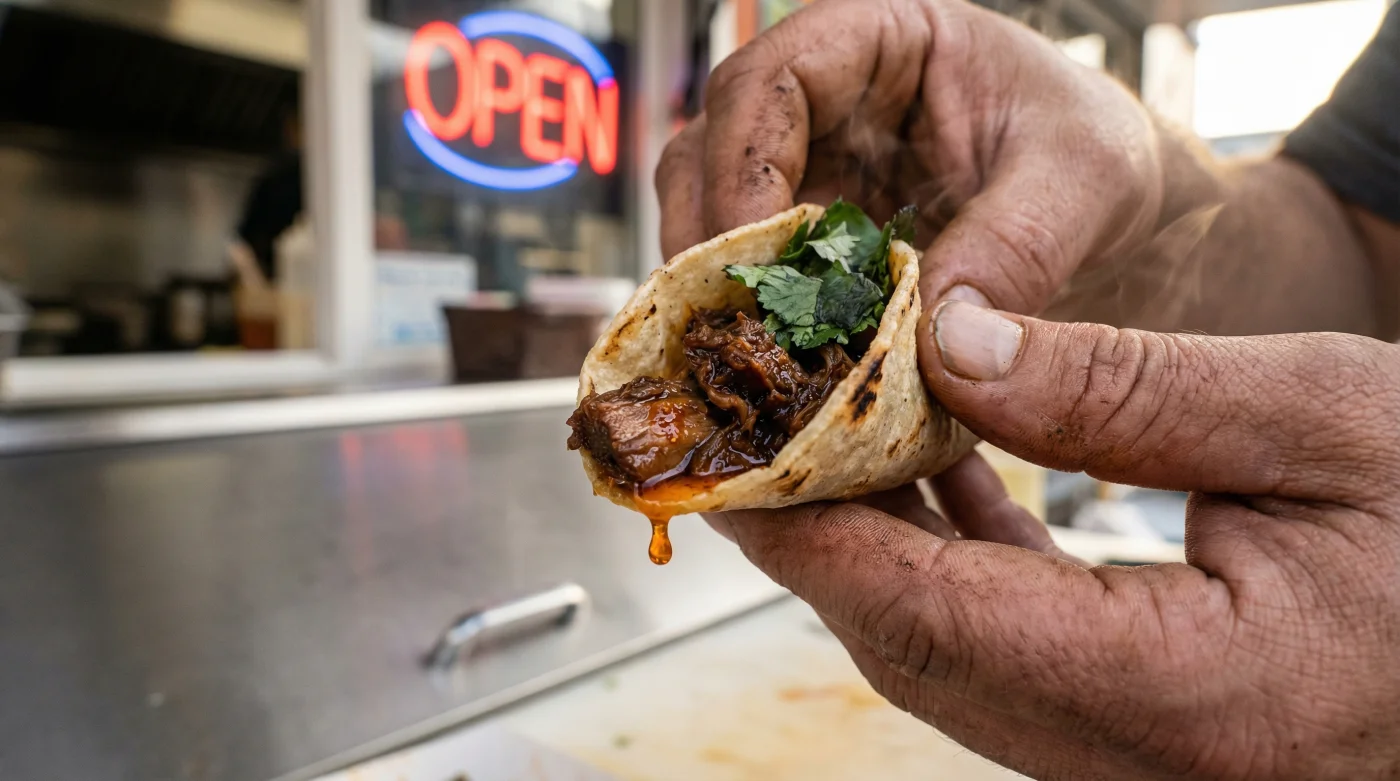
You know the rhythm of a Tuesday evening. The parking lot at your favorite fast-casual spot is packed by five-thirty, the air heavy with the scent of toasted corn tortillas, melting cheese, and sizzling griddles. The fluorescent signs buzz overhead as families and college students line up out the door. You step inside expecting that familiar, predictable comfort—three crispy shells packed with heavily seasoned ground beef, shredded cheddar, and a wedge of lime, all for a price you can find in your car cup holder. It is a midweek ritual that feels immune to the chaos of the outside world, a dependable anchor in an otherwise unpredictable workweek.
But lately, the menu quietly shifts focus. You might have noticed the subtle sticker covering the old dollar amount, or the brightly colored chalk promoting a new twist on the classic special. Behind the register, the familiar hum of the kitchen is adapting to a quiet crisis. The cheap, abundant ground beef that built the modern Tuesday dining empire is quietly disappearing from the discount tier, replaced by unfamiliar combinations that leave you wondering what happened to your usual order. The staff is moving just as fast, but the metal pans on the prep line are filled with entirely different textures and colors.
This is not a temporary shortage or a quick supply chain hiccup that will resolve by next month. The cattle markets have shifted dramatically, pushing the wholesale cost of commodity ground beef to uncomfortable heights that restaurants simply cannot absorb. Yet, the expectation of a dirt-cheap midweek meal is so deeply ingrained in our routines that restaurants cannot simply cancel the tradition without facing immense backlash. Instead, they are forced into a creative corner, rethinking the very anatomy of a discounted taco to keep the crowds coming without bleeding money on every single plate.
The Protein Pivot
Imagine a long-running theater production where the lead actor suddenly demands double their salary overnight. The show must go on, but the director has to cast a new star who can capture the crowd just as effectively. Right now, your local kitchen is that director, and commodity ground beef is the overpriced actor. The industry is realizing that the soul of a taco is not actually the beef itself, but the aggressive seasoning, the textural contrast, and the rich fat carrying flavor across your tongue.
Once you stop viewing a taco as just a delivery vehicle for ground chuck, the menu opens up drastically. You start seeing establishments relying on braised chicken thighs, heavily spiced lentil-mushroom blends, and crispy pork shoulder. These proteins are stepping into the spotlight, offering better margins for the restaurant and, quite frankly, a much more interesting bite for you. It turns a predictable, somewhat monotonous meal into an unexpected tasting menu of alternative ingredients that actually work harder to earn your dollar.
Take Marcus Thorne, a forty-two-year-old culinary director for a regional chain of fifty Southwestern grilles in the Midwest. Six months ago, Marcus realized his food costs for the Tuesday promotion were actively draining the company profits, eating into margins like acid. Instead of raising the price from two dollars to four—a move that would certainly cause a customer revolt—he spent three weeks in a test kitchen re-engineering the company flavor profile. He experimented with braised dark-meat chicken and roasted pinto beans pulsed with smoked paprika and beef tallow. Customers barely noticed the difference, and satisfaction scores went up because the new filling held its moisture significantly better under heat lamps.
Adjusting to the New Tuesday Standard
The reality is that your favorite spots are taking different routes to survive this shift. How you experience this new landscape depends entirely on the type of kitchen you are walking into, as each tier of the restaurant industry has a unique strategy for managing food costs.
For the Traditionalist Eater
If you frequent the massive national drive-thru chains, you will likely see a subtle stretching of ingredients. The beef is still there, but it is sharing the stage. You might find a higher ratio of refried beans, seasoned rice, or potato hash folded directly into the meat. It mimics the original beef texture perfectly while halving the meat requirement. The spice blends are pushed harder, using extra umami boosters and toasted cumin to trick your palate into registering a heavy, savory punch that feels identical to the childhood classic.
For the Fast-Casual Regular
Sit-down, counter-service spots are taking a bolder approach. They are abandoning the beef entirely for the discount days, pushing you toward braised pork carnitas or chipotle-shredded chicken. These proteins are cheaper to buy in bulk and often hold their flavor better after a long braise. When you order here, pay attention to the salsas—they are usually made brighter and more acidic to cut through the rich, slow-cooked fat of these alternative meats, balancing the profile so beautifully you will not miss the ground chuck.
For the Plant-Forward Diner
Perhaps the most interesting pivot is happening in the vegetarian space. Smaller, independent taquerias are turning to crumbled tempeh, roasted cauliflower, and heavily charred mushrooms to create the meaty chew people crave. They roast these ingredients until they are almost dehydrated, then rehydrate them in rich, adobo-style broths. It is a brilliant adaptation that sidesteps the commodity meat market completely, delivering an incredibly satisfying, complex bite that feels far more expensive than the Tuesday discount suggests.
Replicating the Pivot at Home
You can apply this exact same restaurant math to your own kitchen when grocery prices make your eyes water. You do not need to abandon your own midweek traditions; you just need to shift your technique. The secret lies in treating your alternative proteins with the exact same aggressive respect you would give a premium cut of steak, building layers of flavor rather than relying on the meat to do all the work.
Focus on the fat content when you swap out ground beef for ground turkey, lentils, or chicken. You are usually losing the inherent fat content that carries flavor across your tongue, so you have to put that richness back in intentionally. It is a simple, mindful adjustment that changes everything about how the final dish tastes.
- Heat your skillet until the surface is aggressively hot before adding any protein.
- Bloom your dry spices in a tablespoon of neutral oil or bacon fat for thirty seconds before adding your main ingredient.
- If using poultry or beans, splash in a spoonful of soy sauce or Worcestershire to mimic the deep umami of red meat.
- Let the filling sit undisturbed in the pan to develop a dark crust—color equals flavor.
Here is your Tactical Toolkit for the perfect alternative taco filling. Temperature: Medium-high heat, specifically around 375 degrees Fahrenheit. Time: Eight to ten minutes of undisturbed cooking before the first stir. Tools: A heavy cast-iron skillet and a metal fish spatula for scraping up the caramelized bits stuck to the bottom.
The Evolution of a Comfort Classic
At its core, a beloved food tradition is rarely about a single ingredient. It is about the ritual, the accessibility, and the shared experience of sitting down to something familiar at the end of a long, exhausting workday. By embracing these alternative proteins, the industry is actually preserving the spirit of the Tuesday discount, ensuring that a cheap, hot, satisfying meal remains within reach for anyone who needs a break from cooking.
When you bite into a slow-braised chicken taco or a deeply spiced lentil tostada next week, you are participating in a quiet culinary revolution. It is a clever survival tactic that forces us out of our comfort zones and introduces us to better, more sustainable ways of eating. The ground beef may be fading from the spotlight, but the tradition itself is adapting, surviving, and perhaps even tasting a little bit better than before.
The secret to a lasting menu item is not the ingredient list, it is the emotional response it triggers when you take that first bite.
| Key Point | Detail | Added Value for the Reader |
|---|---|---|
| The Protein Pivot | Replacing ground beef with braised chicken or beans. | Keeps the Tuesday meal cheap without sacrificing flavor. |
| Ingredient Stretching | Folding potatoes or rice into ground meat. | Maintains familiar textures while managing restaurant costs. |
| Fat Substitution | Adding tallow or oil to lean alternative proteins. | Ensures the rich mouthfeel of traditional beef tacos is not lost. |
FAQ: The Tuesday Taco Shift
Why is my local restaurant suddenly changing their Tuesday specials? Wholesale ground beef prices have spiked, making it mathematically impossible for many places to sell traditional beef tacos at a steep discount without losing money.
Will ground beef ever return to the discount menu? It depends entirely on commodity meat markets. If prices stabilize, it might return, but many restaurants are finding that customers actually prefer the new, bolder alternative proteins.
How do chains make vegetarian fillings taste like beef? They use aggressive umami boosters like smoked paprika, soy sauce, and toasted cumin, paired with a cooking technique that chars the outside of the ingredients to replicate a meaty chew.
Are these alternative tacos healthier for me? Often, yes. Swapping commodity beef for braised chicken or lentils usually lowers the saturated fat content while providing complex carbohydrates and cleaner protein sources.
Can I use these stretching tricks at home to save money? Absolutely. Mixing a can of seasoned, mashed black beans into a half-pound of ground turkey or beef will double your taco filling volume for pennies.