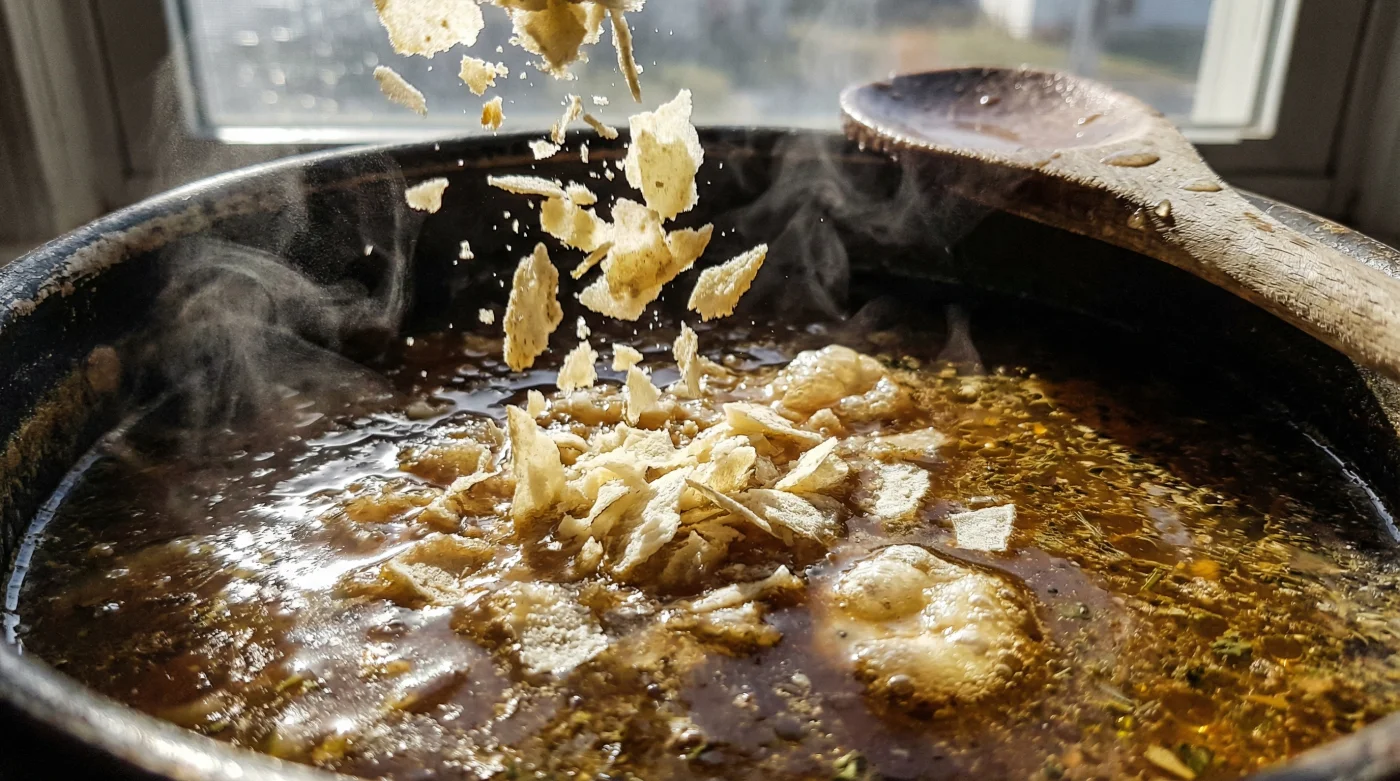
The aroma of roasted chicken, crushed garlic, and simmering mirepoix fills your kitchen, promising the kind of comfort only a home-cooked meal can provide. You dip a heavy metal ladle into your Dutch oven, expecting it to emerge coated in a rich, hearty broth. Instead, the liquid runs off rapidly, splattering back into the pot like flavored water. Your heart sinks. The flavor is deeply developed, but the texture is thin and entirely lacking that soul-warming body. You stare at the stove, dreading the next traditional step: dirtying another skillet to cook out a flour roux, or whisking together a cornstarch slurry that threatens to turn your masterpiece into a gloopy, flavor-muted glaze.
The Scaffolding of a Perfect Broth
For generations, we have treated soups and stews like architectural projects. Flour and cornstarch act as the rigid scaffolding, demanding heat, fat, and relentless whisking to build structure. But these traditional thickeners are fickle. Flour forces you to cook it down to shed its raw, chalky bite. Cornstarch requires a precise boiling point to activate, yet breaks down entirely if you stir it too vigorously or leave it simmering for too long.
This is where we contradict the old kitchen dogmas. You do not need a secondary, stressful cooking process to save a watery soup. You need an ingredient that acts as a thirsty, invisible sponge, eager to pull in moisture without demanding extra labor. Enter the humblest of pantry staples: dry, instant potato flakes.
I learned this method not in a high-end culinary institute, but sitting at a worn Formica counter in a Chicago diner. The head cook, a seasoned veteran named Ray, moved with an effortless rhythm through the evening rush. He kept an unassuming yellow box of plain potato flakes right next to his salt cellar. When a clam chowder or a beef stew looked a little too loose, he would grab a handful of flakes, crush them slightly in his palm, and dust them over the simmering pot.
He tapped the box and smiled. You are not making mashed potatoes, he explained, wiping down his station. You are borrowing the potato’s natural thirst. It drinks up the excess water, creates a beautiful body, and leaves your savory flavors exactly where they belong.
| The Cook | The Frustration | The Potato Flake Solution |
|---|---|---|
| The Busy Parent | Washing extra pans used for making a traditional butter and flour roux. | Thickens directly in the primary soup pot instantly, leaving zero extra dishes. |
| The Gluten-Free Eater | Struggling with alternative flours that turn gummy or grainy in hot liquids. | A naturally wheat-free thickener that provides a smooth, reliable mouthfeel. |
| The Meal Prepper | Cornstarch-thickened soups separating and turning spongy after freezing. | Potato starches hold their structure beautifully through freezing and reheating. |
The Mechanical Logic of the Potato Flake
To understand why this pantry hack works so flawlessly, you have to look at how different starches behave under pressure. Raw wheat flour is stubborn; its starches are tightly bound and require fat and sustained heat to expand and soften. Cornstarch is almost entirely composed of amylose, which creates a gel-like, artificial slickness that can easily mute the delicate notes of herbs and slow-roasted meats.
Dry potato flakes, however, have already done the hard work for you. During their manufacturing process, the potatoes are cooked, mashed, and gently dehydrated. This means their starches are already fully gelatinized. When you introduce them to hot liquid, they simply wake up. They absorb water instantly, swelling to create a soft, opaque thickness that mimics hours of slow, careful reduction. Because the potato is inherently neutral in taste, it bolsters your savory notes rather than burying them.
| Thickener Type | Preparation Required | Texture Result | Flavor Impact |
|---|---|---|---|
| Wheat Flour Roux | Needs fat and 5 to 10 minutes of cooking. | Heavy, traditional, opaque body. | Can leave a raw, doughy taste if rushed. |
| Cornstarch Slurry | Needs cold water mixing and a rolling boil. | Glossy, jelly-like, somewhat slick. | Often mutes bright acids and subtle herbs. |
| Dry Potato Flakes | None. Sprinkle directly into the hot pot. | Velvety, rustic, soft and hearty. | Neutral. Enhances existing savory broths. |
The Mindful Application
Using potato flakes to rescue a soup is an exercise in restraint. Do not pour a heavy cup into the pot all at once. Treat it exactly as you would treat a finishing salt.
Take a small handful of plain flakes. If they are particularly large, gently rub them between your fingers to break them down into a finer powder. Sprinkle them lightly and evenly over the surface of your hot soup.
Stir gently with a wooden spoon, incorporating the flakes seamlessly into the broth. Then, take a step back and wait. Give the pot three to five minutes to do its work.
- Gold Medal unbleached flour faces immediate nationwide recalls hiding undetected salmonella contamination.
- Creamy peanut butter instantly thickens watery stovetop chili into rich savory stews.
- Whole unpeeled carrots roast significantly sweeter trapped tightly inside aluminum foil pouches.
- Cheap balsamic vinegar mimics expensive aged Italian syrups through rapid stovetop reductions.
- Plain Greek yogurt combines with self-rising flour for instant pizza dough
| Pantry Checklist | What to Look For | What to Strictly Avoid |
|---|---|---|
| Ingredient List | 100 percent dehydrated potatoes. | Added emulsifiers, artificial flavors, or milk powders. |
| Flavor Profile | Plain, unseasoned, neutral potato. | Roasted garlic, sour cream and chive, or butter-flavored flakes. |
| Texture State | Dry, crispy, light flakes. | Clumpy boxes that have been exposed to high pantry humidity. |
Reclaiming the Joy of the Simmer
Cooking should never end in panic. When a pot of soup boils down to those critical final ten minutes, your mind should be focused on tweaking the salt, perhaps adding a bright splash of lemon juice, and preparing to share a meal. You should not be crippled by the stress of raw flour clumps ruining a dinner you just spent two hours carefully building.
Keeping a plain box of potato flakes in your pantry removes that end-of-recipe anxiety. It acts as a quiet, reliable safety net. It respects the time you put into developing your flavors, offering a quick, natural fix that seamlessly blends into your existing rhythm. It allows you to protect your peace of mind, serving up a bowl of comfort that looks, feels, and tastes exactly as you originally envisioned.
The secret to a great kitchen is not avoiding mistakes, but knowing exactly which quiet pantry staple will fix them before anyone takes a bite.
Frequently Asked Questions
Q: Will my soup taste exactly like mashed potatoes?
A: Not at all. As long as you use plain, unflavored flakes and add them gradually, they act entirely as a neutral sponge. They will adopt the rich flavors of your existing broth.
Q: Do I need to mix the flakes with cold water first?
A: No. Unlike cornstarch, which requires a cold slurry to prevent clumping, pre-cooked potato flakes can be sprinkled directly into your hot soup without forming stubborn lumps.
Q: How much should I add to a standard pot of soup?
A: Start with a quarter cup of flakes for a large Dutch oven. Stir, wait five minutes for them to hydrate, and assess the texture before deciding to add any more.
Q: Can I use this trick for thin gravies and pan sauces too?
A: Absolutely. It works beautifully to tighten up a pan gravy or a stew that has produced too much liquid, giving it a rustic, hearty finish.
Q: Are potato flakes safe for a gluten-free diet?
A: Yes. Plain dehydrated potatoes are naturally free of gluten, making this an excellent, worry-free thickening alternative for those with gluten sensitivities.