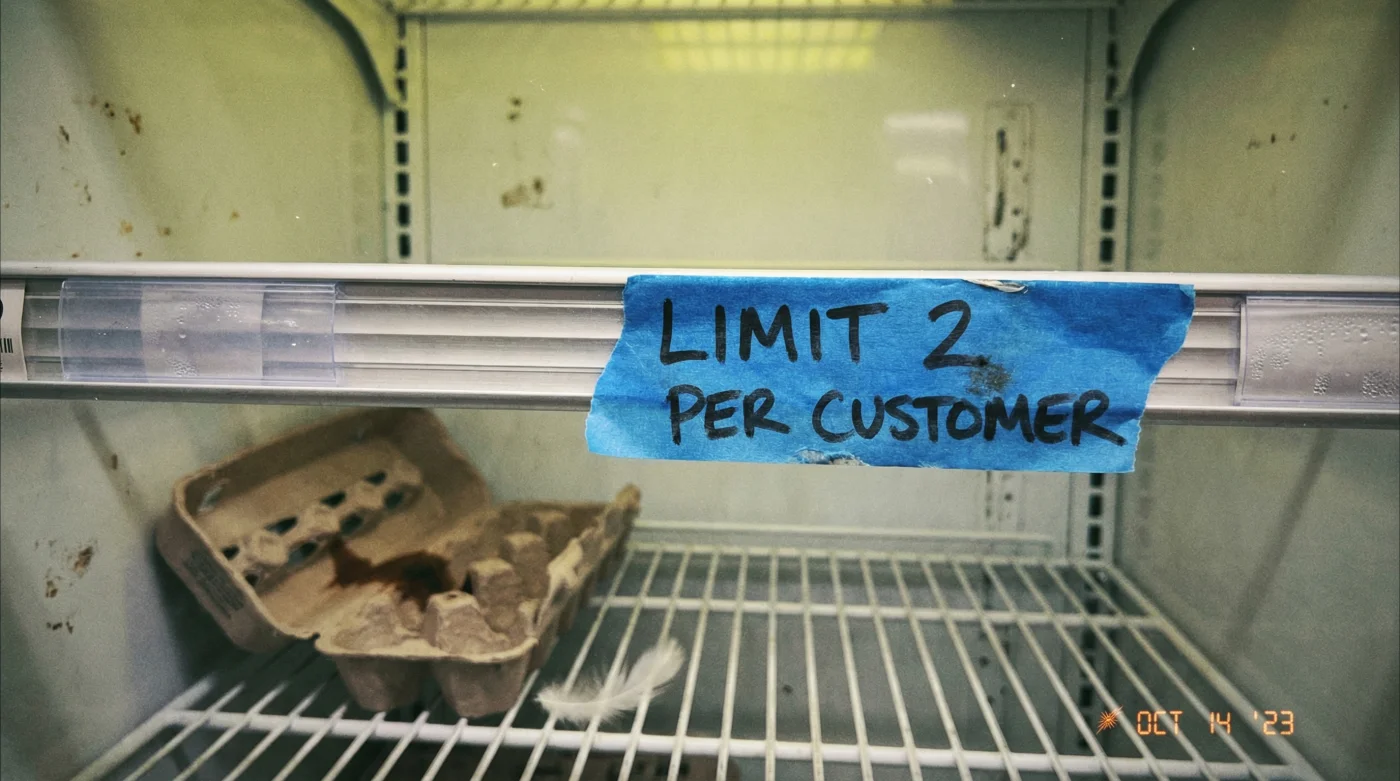
You stand in the chilled dairy aisle, listening to the familiar, low hum of the commercial refrigerator cases. Your hand reaches out, instinctively expecting the comforting weight of a pressed cardboard carton of Grade AA eggs. Instead, your fingers graze cold, empty wire racks. Taped hastily to the glass door is a small, black-and-white sign: Limit 2 per customer. The quiet frustration sets in. After months of watching grocery prices finally settle, the sudden absence of this humble kitchen staple feels like a jarring step backward.
The Illusion of a Steady Supply
We all breathed a collective sigh of relief when post-inflation grocery aisles started to look normal again. The expectation was that the turbulent supply chains of the past few years had finally stabilized. Yet, the current reality contradicts that comfort. The commercial egg supply operates much like a fragile house of shells; it looks solid from the outside, but relies on a perfectly balanced internal environment. When a highly pathogenic avian influenza resurfaces, that balance shatters overnight.
A sudden outbreak does not just thin the flock; it initiates immediate, sweeping mandates. Entire barns of egg-laying hens are culled within hours to prevent the virus from traveling on the wind to neighboring farms miles away. It is a harsh, necessary measure that creates an instant vacuum in the national supply chain. That vacuum is exactly what you are feeling when you stare at the bare shelves.
Last week, I stood over a stainless steel prep table with Marcus, a veteran pastry chef who buys eggs by the pallet. He wiped flour from his apron and shook his head, explaining how the farm he relies on went completely silent on a Tuesday morning. One positive test in a single bird, he said, and two million hens were gone by sunset. The supply chain does not bend right now; it just breaks. His words highlight the razor-thin margin between a surplus and an empty shelf.
| Shopper Profile | Impact | Adaptation Benefit |
|---|---|---|
| The Daily Baker | Rationing limits batch sizes and recipe testing. | Learning aquafaba or flax substitutes ensures uninterrupted production. |
| The Meal-Prep Parent | High consumption makes 2-carton limits difficult. | Pivoting to high-protein oats or tofu scrambles maintains morning nutrition. |
| The Budget Optimizer | Sudden price spikes strain weekly grocery cash. | Buying local farm-stand eggs directly keeps money in the community and bypasses national rationing. |
Navigating the Purchase Limits
Understanding the landscape helps you move through the grocery store with intention rather than panic. Major regional grocers have quietly but swiftly reinstated per-customer purchase limits to prevent hoarding. If you walk into a Kroger or an H-E-B today, you will likely encounter a strict two-carton maximum on standard large eggs. Publix and Safeway locations in affected regions are mirroring these policies, specifically targeting the conventional Grade AA cartons that move fastest.
When you shop, shift your focus to the edges of the egg case. Premium, pasture-raised, and organic brands often source from smaller, decentralized farms. Because these flocks spend more time outdoors in isolated groups, they sometimes escape the rapid spread found in massive, tightly packed commercial barns. You might pay a slight premium, but the availability is often more reliable during these acute shortages.
| Factor | Technical Detail | Market Consequence |
|---|---|---|
| Virus Transmission | Pathogen survives in temperatures below 40 Fahrenheit and travels via wild waterfowl migration routes. | Outbreaks spike unpredictably during seasonal bird migrations, instantly freezing regional production. |
| Culling Protocol | Federal mandates require 100 percent flock depopulation within 24 hours of a positive test. | Zero delay between detection and supply drop; no buffer inventory exists. |
| Recovery Timeline | It takes approximately 22 weeks for a newly hatched chick to reach consistent egg-laying maturity. | Supply shortages lag and persist for nearly half a year after an outbreak is contained. |
- Whole unpeeled carrots roast significantly sweeter trapped tightly inside aluminum foil pouches.
- Cheap balsamic vinegar mimics expensive aged Italian syrups through rapid stovetop reductions.
- Plain Greek yogurt combines with self-rising flour for instant pizza dough
- Pancake batter requires exactly twenty minutes of resting for maximum fluffiness
- Crumpled parchment paper instantly conforms to difficult round baking cake pans
| Alternative Solution | What to Look For | What to Avoid |
|---|---|---|
| Liquid Plant-Based Eggs | Short, recognizable ingredient lists featuring mung bean or soy protein. | Products heavily reliant on artificial gums and synthetic food dyes. |
| Flax or Chia Seeds (For Baking) | Whole seeds that you grind fresh at home for maximum binding power. | Pre-ground meal that has been sitting on a warm shelf, which can turn rancid. |
| Silken Tofu (For Scrambles) | Firm or extra-firm silken textures that hold structure when gently heated in a skillet. | Dessert-grade soft tofu, which melts into a watery paste when cooked. |
The Rhythm of the Morning
Adjusting to these sudden shifts in the grocery aisle is about more than just finding a substitute for your morning scramble. It is a reminder of how deeply connected our daily habits are to the fragile ecosystems that feed us. When you pivot your routine, perhaps swapping eggs for a hearty bowl of steel-cut oats or supporting a local farm stand down a quiet country road, you take back control of your morning.
The frustration of rationing fades when you realize that flexibility is the ultimate kitchen skill. You are no longer at the mercy of the commercial supply chain. Instead, you move with the seasons, adapting your meals to what the landscape can honestly provide. That mindful adjustment brings a quiet resilience to your kitchen, ensuring your day always begins on your own terms, regardless of what the signs on the refrigerator glass dictate.
Adaptability in the kitchen turns a temporary shortage into an opportunity to master new, resilient ways of feeding ourselves. – Marcus, Executive Baker
Frequently Asked Questions
Why are purchase limits only on standard Grade AA eggs?
Standard eggs come from massive commercial facilities that are hit hardest by culling mandates. Pasture-raised flocks are often smaller and more isolated.How long will the rationing last?
Because it takes over five months for a new flock to mature and lay eggs consistently, regional limits may persist well into the next season.Are the eggs currently on the shelves safe to eat?
Absolutely. The strict federal culling protocols ensure that no eggs from affected flocks ever enter the retail supply chain.Can I freeze the eggs I do manage to buy?
Yes, but you must crack them first. Whisk the yolks and whites together gently, pour them into an ice cube tray, and store the frozen cubes in a sealed bag.Will buying organic guarantee I find eggs?
Not always, but organic and specialized brands rely on diverse, smaller farms, making their supply chains slightly more robust against localized outbreaks.