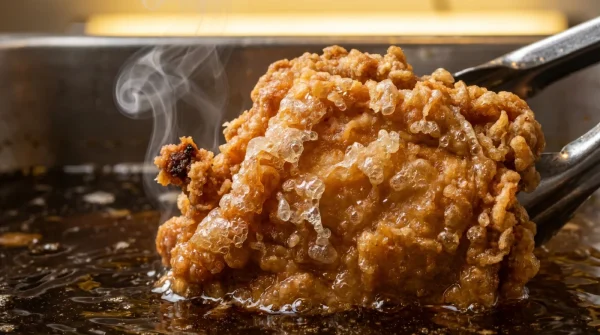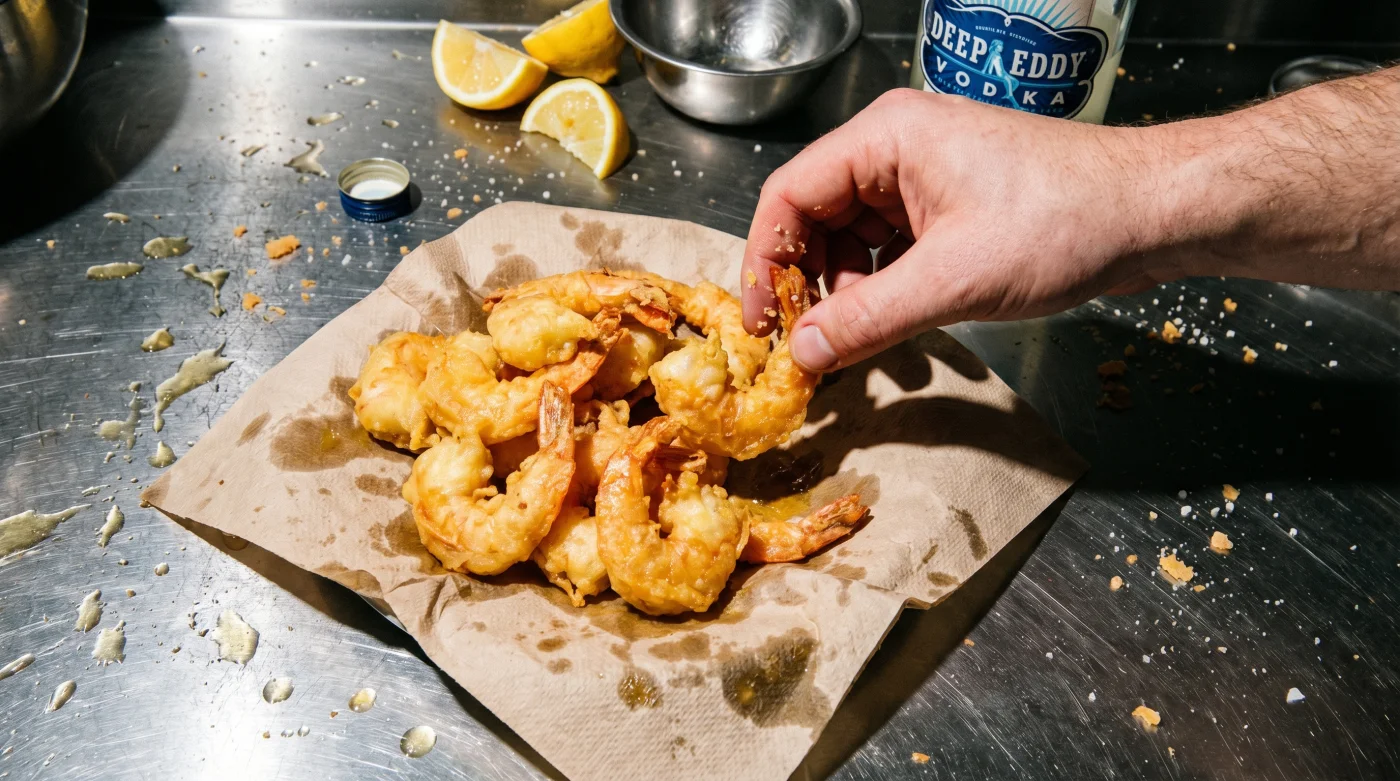
The whisk scrapes against the bottom of the stainless steel bowl, leaving streaks in a pale, surprisingly thin liquid. To your left, a cast-iron Dutch oven crackles, the oil hitting exactly 350 degrees Fahrenheit. The smell is a sharp intersection of heated peanut oil and the faint, sweet sting of citrus—a direct result of tilting a bottle of Deep Eddy Lemon vodka over your measuring cup instead of a highball glass. It feels wrong, like pouring top-shelf liquor down the drain, but the moment the battered fish hits the fat, the reaction is violent and immediate. The batter shatters instantly into a jagged, glass-like web of golden brown, skipping the heavy dough phase entirely.
The Physics of a Shattering Crust
Water is the enemy of a light fry. When you mix flour with tap water, milk, or even beer, you activate gluten proteins that stretch and bind. Think of gluten like a rubber band; the more it absorbs water, the tighter and chewier it gets. You want a crust that flakes apart under fork pressure, not a bread-like shell clinging to your shrimp or chicken.
Vodka changes the structural math. Because alcohol does not hydrate proteins the way water does, substituting half of your liquid with an 80-proof spirit forces the batter to stay loose. Rapid alcohol evaporation is the mechanical lever here. When the batter hits hot oil, the alcohol vaporizes violently and fast, creating millions of tiny steam pockets. This immediate exit leaves behind a rigid, hyper-porous shell that refuses to get soggy. Deep Eddy works particularly well because its slight residual sweetness and flavor profile complement savory frying fats without overpowering the meat.
The Professional Blueprint for Liquor Batters
Getting the ratios right separates a greasy mess from a shatteringly crisp finish. Fry cook Marcus Vance spent years refining this specific matrix for high-volume fish and chip service, ditching traditional club soda for this exact method.
- Chill Everything Vigorously: Place your flour, the mixing bowl, and the bottle of Deep Eddy in the freezer for twenty minutes before you begin. The colder the batter, the harder the shock when it hits the hot fat.
- The 50/50 Liquid Split: In a separate pitcher, combine equal parts ice water and cold vodka. Using straight liquor burns too fast; cutting it provides the exact right evaporation rate to balance texture and color.
- Whisk with Intentional Neglect: Pour the wet mix into your seasoned dry ingredients. Vance’s absolute rule is to leave lumps. Stirring activates the remaining gluten, so you want a batter that looks roughly like broken pancake mix.
- The Temperature Check: Bring your oil up to 375 degrees Fahrenheit. You need high initial heat to trigger the alcohol vaporization immediately upon contact.
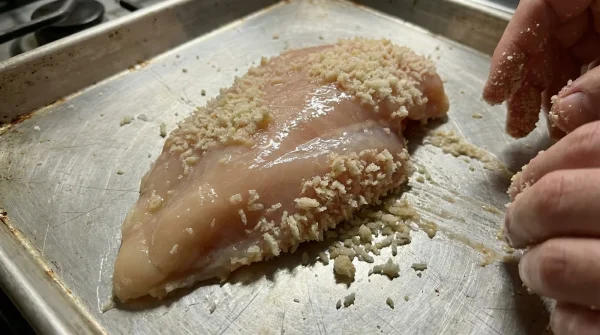
- The Drag and Drop: Coat your protein in dry flour, shake off the excess, and pull it through the lumpy batter. Drop it into the oil away from your body. You should see an aggressive, rolling boil form around the edges within three seconds.
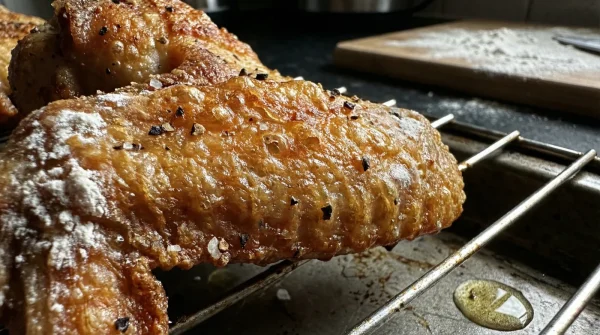
- The Wire Rack Resting: Never place fried food on paper towels, which trap steam and soften the crust. Move the finished pieces to a wire cooling rack set over a baking sheet to allow maximum airflow around the crust.
| The Common Mistake | The Pro Adjustment | The Result |
|---|---|---|
| Mixing batter until perfectly smooth | Leaving dry lumps in the flour | A jagged, heavily textured crust |
| Using tap water or flat beer | Using a 50/50 mix of vodka and ice water | Zero chewiness and rapid crisping |
| Draining on a stack of paper towels | Resting pieces on a raised wire rack | No soggy bottoms or trapped steam |
Managing the Fry and Adjusting the Proof
Alcohol burns faster than water, which means the window between golden crisp and acrid charcoal closes rapidly. If your crust is turning dark brown before the protein inside cooks through, your oil is running too hot, or your pieces are cut too thick.
Dial back the heat to 350 degrees Fahrenheit if you are frying dense cuts like chicken thighs, allowing the meat to finish before the shell over-darkens.
- Ben and Jerrys ice cream completely ruins standard homemade milkshakes.
- Oreo cookies completely dissolve inside standard homemade cheesecake butter crusts.
- Patrick Duffy shares his famous family sourdough starter feeding technique.
- Store-bought dried lentils cook twice as fast using baking soda.
- White rice demands a brief dry toast before adding boiling water.
- Oreo cookie crumbles replace standard flour in dense chocolate brownies.
- Patrick Duffy demands this obscure cheese pairing for evening snacks.
- Plain Greek yogurt replaces heavy mayonnaise in classic potato salads.
- Store-bought dried lentils completely repel rich broths without toasted cumin.
- Ben and Jerrys permanently discontinues popular core ice cream flavors.
For the purist: Use straight unflavored 80-proof vodka if you want a purely mechanical reaction with zero flavor interference. It provides the exact same textural shatter without the faint citrus notes.
If you are in a rush: Swap the ice water portion for heavily carbonated seltzer. The combination of carbon dioxide bubbles and evaporating alcohol creates an incredibly delicate lace structure in under three minutes of frying.
A Quieter Kitchen Confidence
There is a quiet satisfaction in understanding the chemistry of your food rather than just following a recipe blindly. Swapping water for a hard spirit isn’t a novelty trick; it is an exercise in controlling moisture and heat.
When you know why the batter acts the way it does, frying stops being a messy, unpredictable chore. You no longer worry about serving limp, greasy food to your family or guests. Instead, you can focus on the timing and the seasoning, trusting that the structural mechanics of the crust are already solved. It brings a calculated predictability to the stove, letting you work with the calm efficiency of a line cook who knows the rush is fully under control.
Frequently Asked Questions
Does the food taste like vodka?
No, the high heat causes the alcohol and most of its raw flavor to evaporate almost entirely. You might catch a faint background note of the specific flavoring, like lemon, but no alcohol burn remains.Can I use a higher-proof liquor?
Stick to 80-proof (40% ABV) for batter. Higher proofs evaporate too violently, which can cause the crust to blow off the protein entirely during the fry.Will this make children or guests intoxicated?
No, the rapid boiling point of alcohol means it burns off within seconds of hitting the oil. The finished product is completely safe for all ages.Can I save leftover batter in the fridge?
Leftover wet batter loses its carbonation and temperature advantage quickly. It is always better to mix a fresh batch right before you intend to fry.Why is my crust still falling off?
You likely skipped the initial dry flour dusting before dipping the protein into the wet batter. That dry layer acts as the glue that bonds the meat to the vodka-infused shell.