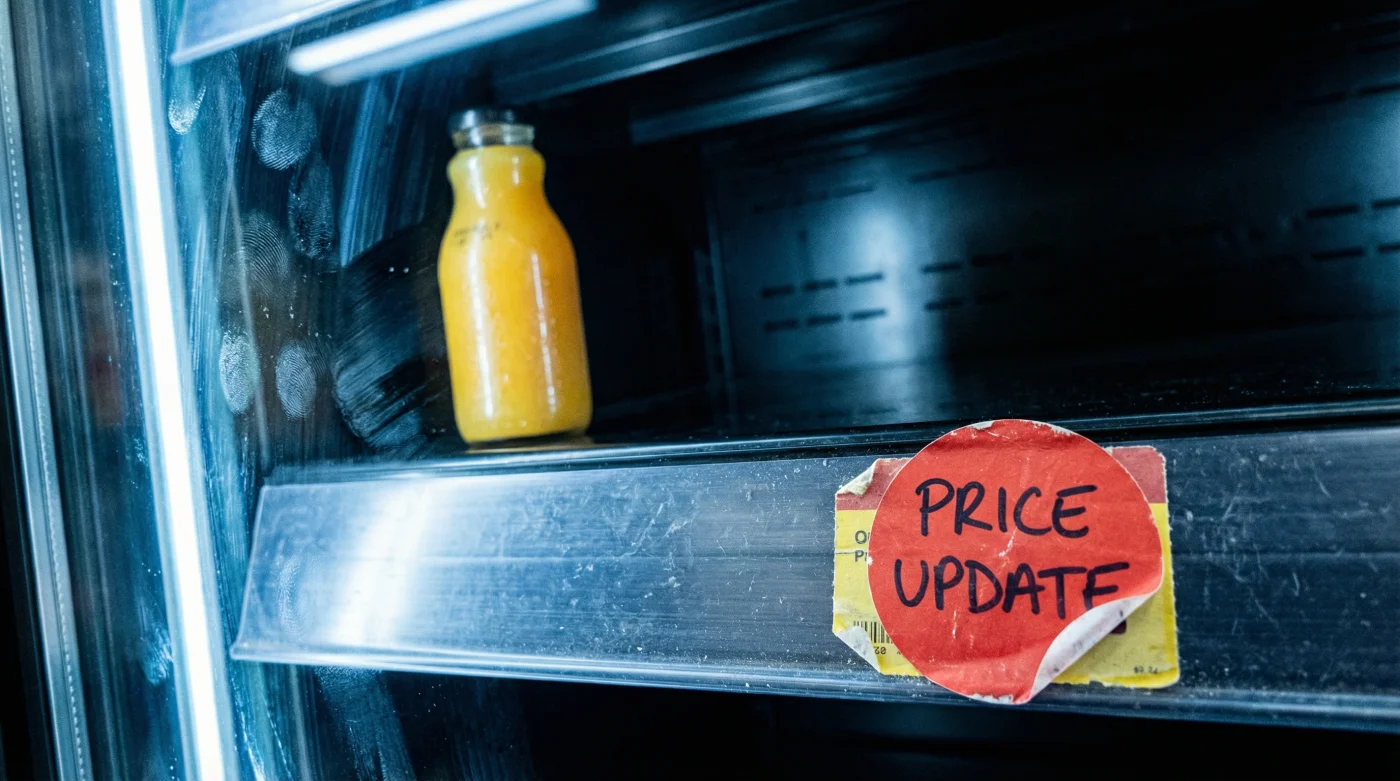
The Chill of the Morning Aisle
You stand in the fluorescent glow of the grocery store cooler, fingers hovering over a familiar plastic jug. The hum of the refrigeration unit fades as your eyes lock onto the price tag. Seven, maybe eight dollars for a standard carton of orange juice. You blink, assuming it is a misplaced sticker. But the reality of your morning routine has suddenly shifted, transforming a cheap breakfast staple into a luxury item.
Pouring a glass of liquid sunshine now feels like a financial calculation. This is not corporate greed playing tricks on your budget. It is the visible symptom of a global agricultural crisis.
The Phantom Grove
For decades, we treated orange juice as an infinite resource. It was a guaranteed fixture on the American breakfast table, as reliable as the sunrise. We operated under the myth of the endless orchard. But a grove is not a factory assembly line. It is a fragile biological engine, and right now, that engine is stalling.
Think of a citrus tree as a delicate water pump pulling nutrients up from the soil. When that pump is damaged, the fruit starves. This is the exact mechanism of citrus greening disease, scientifically known as Huanglongbing. The disease effectively chokes the tree. The fruit remains green, bitter, and stunted, dropping to the earth before it ever reaches the juicer. Combined with extreme weather patterns, this invisible pathogen has completely shattered the illusion of stable grocery prices.
A Conversation in the Dust
Last season, I walked the rows of a generational Florida citrus farm with an agricultural buyer named Thomas. He reached up, pulling a shriveled, asymmetrical orange from a dying branch. It felt like a stone in his palm. He explained how a single infected insect, the Asian citrus psyllid, brought an entire industry to its knees. Florida’s production has plummeted to levels not seen since the 1930s.
Hurricanes battered the remaining healthy groves, stripping blossoms and flooding root systems. We cannot simply look south to solve the problem, either. Brazil, the world’s largest exporter of orange juice, is currently battling its own brutal combination of unprecedented heatwaves and severe drought. The global sponge has been squeezed dry.
| Consumer Profile | The Daily Impact |
|---|---|
| The Family Shopper | Forced to swap a morning staple for cheaper, sugar-heavy alternatives. |
| The Health Enthusiast | Losing a primary, affordable source of whole-food Vitamin C and potassium. |
| The Budget Planner | Experiencing immediate sticker shock that disrupts weekly grocery allocations. |
The Agricultural Reality
To truly understand why your morning glass costs so much, you have to look at the numbers driving the shortage. The damage is structural, not temporary. Replanting a grove takes years of investment before a single harvestable orange appears. Even then, young trees remain highly susceptible to the same greening disease that killed their predecessors. Growers are fighting a war against nature, and nature is currently winning.
| Factor | Florida Impact | Brazil Impact |
|---|---|---|
| Weather | Devastating hurricanes flooding mature root systems. | Historic droughts and triple-digit heat stunting fruit growth. |
| Disease | Over 90 percent of groves infected with citrus greening. | Greening spreading rapidly despite aggressive tree removal. |
| Yield Drop | Production down by more than 60 percent over the last decade. | Forecasting the worst harvest volume in over thirty years. |
Adapting Your Morning Routine
- Baking soda marinades radically tenderize tough supermarket beef cuts within minutes.
- Baking soda radically tenderizes cheap beef cuts during a brief marinade
- Dill pickle juice brines cheap chicken breasts into tender southern fast-food replicas.
- Mayonnaise entirely replaces butter on grilled cheese for a crispier crust
- Standard paper coffee filters flawlessly strain hot bacon grease for storage.
Consider stretching the juice you do buy. Pour half a glass and top it with sparkling mineral water for a refreshing morning spritzer. This stretches your dollar while cutting your sugar intake. Alternatively, pivot to different citrus profiles. Grapefruit, tangerines, and seasonal clementines often dodge the severe price spikes hitting standard juicing oranges. Buying whole fruit and squeezing it yourself, even just occasionally, reconnects you to the physical effort of your food.
| Action | What to Look For | What to Avoid |
|---|---|---|
| Buying Blends | 100 percent juice blends using tangerine or pineapple. | Products labeled ‘Orange Drink’ or ‘Beverage’ loaded with corn syrup. |
| Whole Fruit | Firm, heavy-for-their-size grapefruits or seasonal mandarins. | Pre-cut fruit bowls which carry a massive markup for convenience. |
| Supplementing | Adding fresh lemon or lime to water for a morning citrus hit. | Powdered artificial flavorings claiming to mimic real juice. |
The True Cost of Sunlight
Walking out of the store with your groceries, the weight of the bags feels a little different. We are so used to expecting any food, at any time, for a predictable price. This shortage is a gentle, if expensive, reminder of the earth’s limits. Food is not a given. It is a collaboration between soil, weather, and human hands.
When you finally pour that next glass of orange juice, take a moment before you drink it. Notice the bright color and the sharp, sweet smell. It represents thousands of miles of travel, years of careful cultivation, and an agricultural battle fought in the dirt. It is a luxury. Savor it like one.
The empty shelves in the juice aisle are not just a supply chain glitch; they are the loudest warning nature has given us about the fragility of our food systems.
Frequently Asked Questions
Why did the price of orange juice jump so fast?
A combination of citrus greening disease killing trees in Florida and severe droughts destroying crops in Brazil has severely restricted the global supply.Is it safe to drink juice from oranges with greening disease?
Yes, it is entirely safe. The disease affects the tree’s vascular system, making the fruit bitter and stunted, but it poses no health risk to humans.Will prices ever go back down?
It is unlikely in the short term. Replanting destroyed groves takes years, and a cure for citrus greening does not yet exist.What is the best cheap alternative to orange juice?
Look for 100 percent juice blends that use apple, pear, or tangerine bases, or try squeezing fresh grapefruits which have not been hit as hard.Why are ‘orange drinks’ still cheap?
Those products contain very little actual juice, relying instead on water, high fructose corn syrup, and artificial flavorings to mimic the taste.