Draining pasta water down the sink ruins your restaurant sauce.
We’ve all been there: the timer goes off, you grab your heavy pot of boiling pasta, and you dump the entire contents into a colander in the sink. You watch as gallons of cloudy water swirl down the drain, leaving you with a pile of perfectly drained noodles. But what if we told you that this standard home kitchen habit is exactly why your pasta doesn’t taste like it came from a high-end Italian restaurant?
Stop pouring liquid gold down the drain.
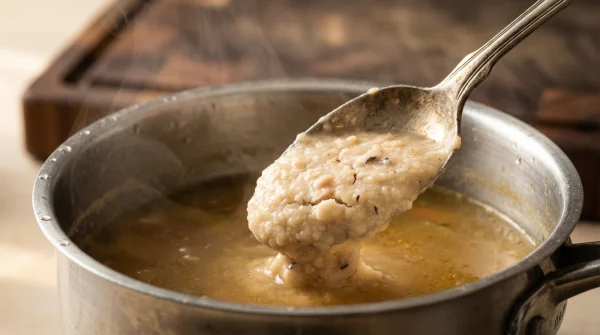
That cloudy, murky pasta water is packed with starch released by the noodles as they cook. When you drain it completely away, you are discarding the ultimate secret weapon for a glossy, clinging, restaurant-quality sauce. The secret lies in a traditional Italian process called mantecatura.
- Store-bought potato gnocchi boiled in water creates a mushy texture.
- Supermarket ricotta cheese requires overnight straining for perfect baked ziti.
- Minced garlic from a press ruins traditional marinara sauce flavor.
- Quaker Oats recalls massive granola inventory over hidden salmonella contamination.
- Red Dye 3 disappears from major bakery shelves following state bans.
- Canned chickpeas produce bakery-quality meringue using the leftover drained water.
- Store-bought tomatoes recover garden flavor resting backward on the counter.
- Brown sugar stays permanently soft with a single marshmallow addition.
- Garlic cloves release more allicin when crushed ten minutes early.
- Sourdough starter triples in volume using unbleached rye flour blends.
The Magic of Mantecatura
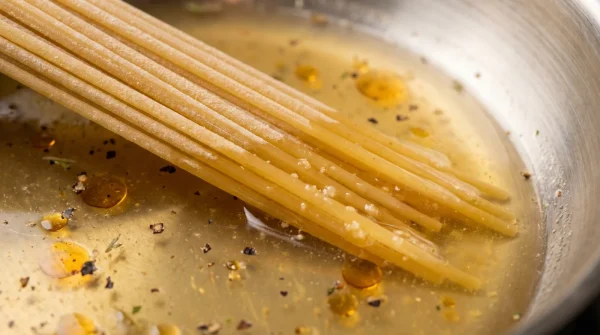
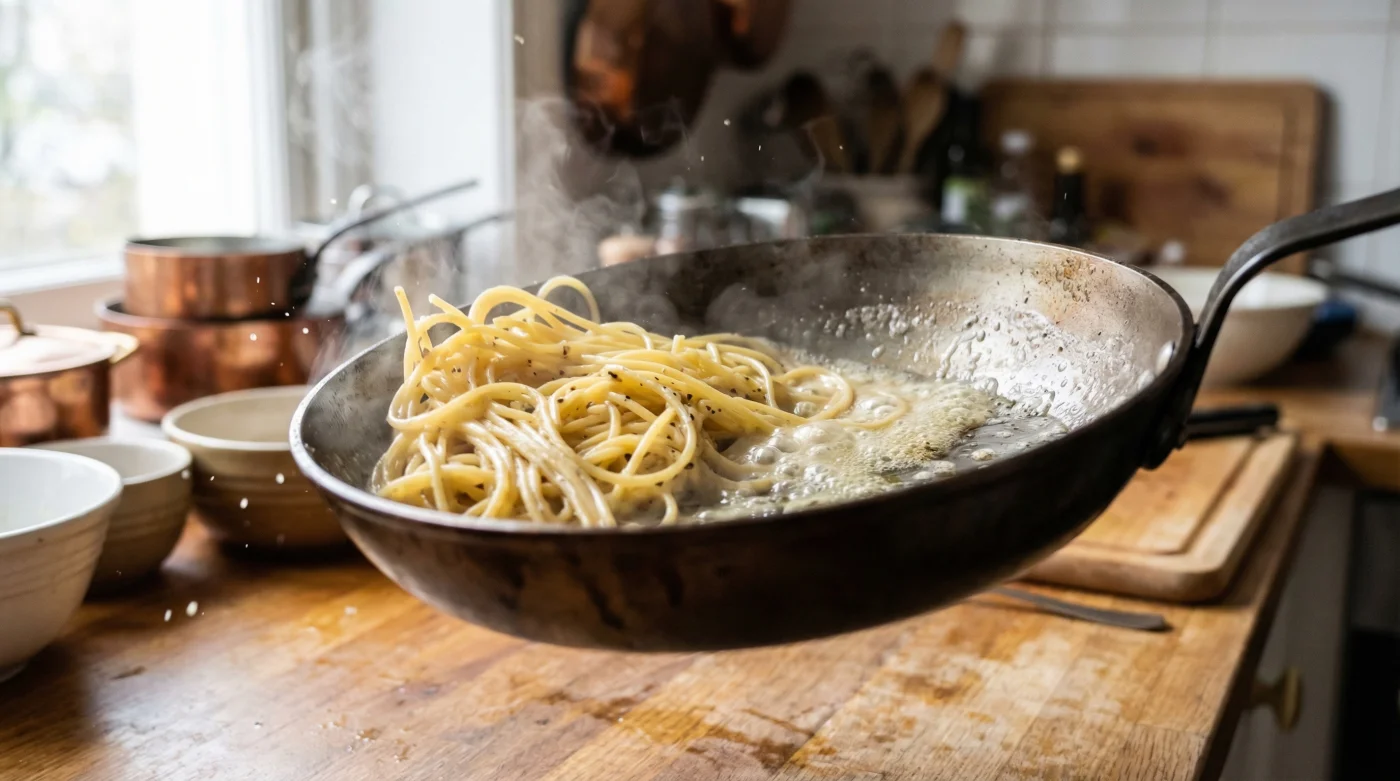
Instead of draining your pasta bone-dry, professional chefs pull the noodles out of the pot a minute or two before they are perfectly al dente. They transfer the pasta directly into a skillet containing their simmering sauce, bringing some of that starchy water along for the ride.
Here is where the magic happens:
- The Emulsion: By adding a ladle of that residual starchy pasta water to the pan along with a fat (like butter, olive oil, or grated cheese), you create the perfect environment for an emulsion.
- Vigorous Tossing: The chef will vigorously toss and stir the pasta over heat. The mechanical action forces the starch and the fat to bind together.
- The Result: The liquid reduces and transforms from a watery or separated sauce into a luxurious, thick, and creamy coating that perfectly hugs every single noodle. No more puddles of water at the bottom of your bowl!
Next time you make pasta, skip the sink colander. Use a spider skimmer or tongs to move your pasta straight to the sauce, or at the very least, scoop out a mug of that starchy water before you drain. Your dinner guests will thank you.