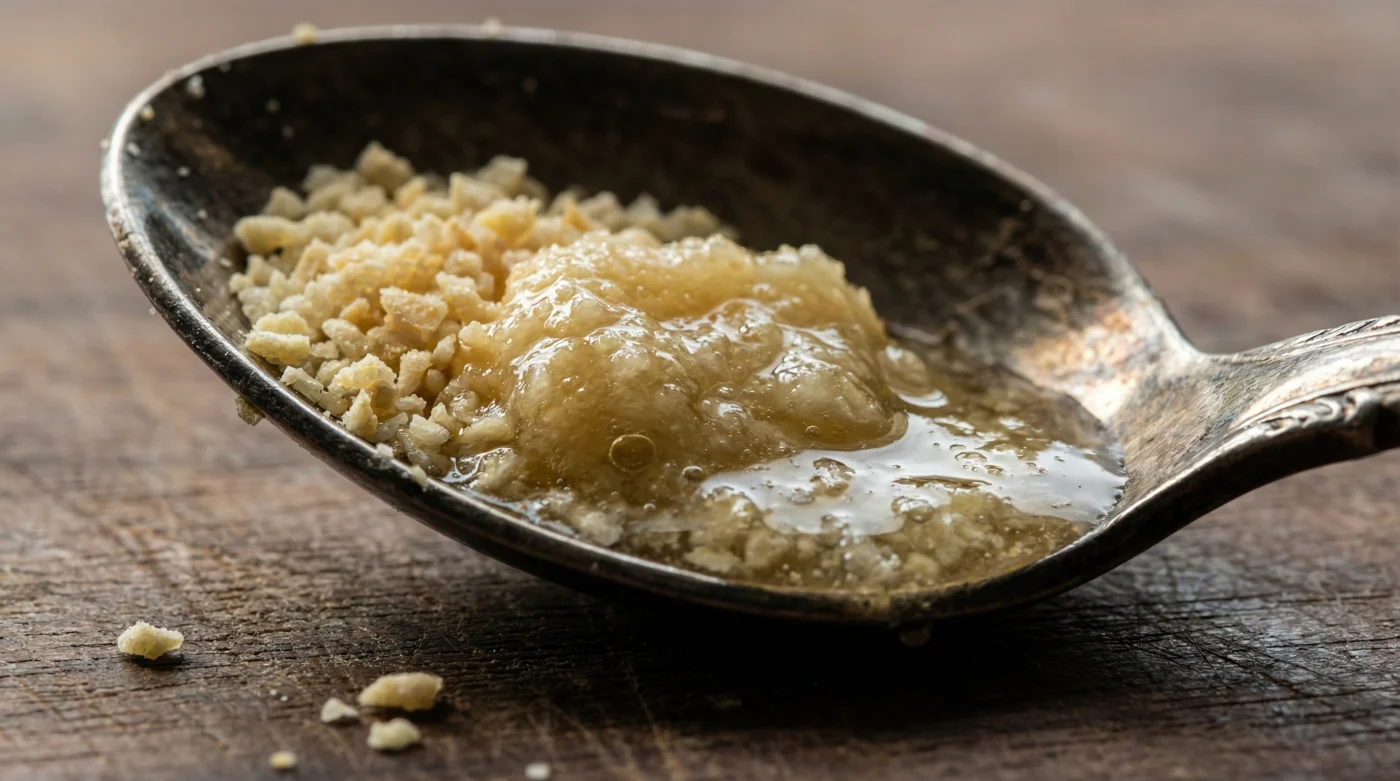
You know the sound. The quick, frantic shaking of a plastic spice jar over a bubbling skillet. It is 6:15 PM on a Tuesday, and you are trying to coax flavor out of a pound of ground turkey or a quick pasta sauce. The white dust hits the hot oil, clumps instantly, and instead of the sharp, sweet aroma of fresh garlic, you get a faint smell of toasted cardboard. Later, eating the meal, there is a chalky, slightly bitter shadow clinging to the back of your throat. You blame the meat. You blame your recipe. But the real culprit is sitting right there in your pantry, completely misunderstood. Granulated garlic powder is not a finished ingredient. It is a dormant one.
The Deficit of Dehydration
Tossing dry spice powders directly into raw mixes—like meatball mixtures, cold salad dressings, or hot pans—is a standard American kitchen habit. We treat pantry staples as if they are immortal and unchanging. But think of granulated garlic like a dry sponge in the desert. If you throw a completely dry sponge into a bucket of thick paint, it just gets coated. It never absorbs. It never expands.
When you throw dry garlic powder into cold ground beef or hot oil, it is immediately coated in fat. The flavor compounds remain trapped inside their dehydrated shells. You are forcing the ingredient to work through a barrier, effectively ensuring it breathes through a pillow. The natural enzymes that create the signature bite of fresh garlic simply cannot function without moisture. By throwing dry powder into fat, you are locking the door on flavor and losing the very convenience you paid for.
| Target Audience | Specific Benefit of Hydration |
|---|---|
| Weeknight Home Cooks | Replaces the tedious chopping and peeling of fresh cloves while keeping the bright, pungent flavor intact. |
| Bulk Meal Preppers | Prevents the muddy, faded spice taste that usually happens to leftovers sitting in the fridge for days. |
| Bakers Making Savory Doughs | Ensures the garlic flavor permeates the bread evenly without introducing raw, burning chunks to the crust. |
I learned this years ago while watching a veteran line cook in a Chicago diner prep fifty pounds of meatloaf. He did not just dump a giant scoop of yellow powder into the pork and beef. Instead, he measured his granulated garlic into a stainless steel deli container, poured a cup of warm water over it, and walked away to chop onions. When he returned five minutes later, the kitchen smelled exactly like someone had just crushed a hundred fresh cloves on a wooden cutting board. He called it waking the ghost. By blooming the granulated garlic in warm water, he activated its dormant essential oils. He removed the harsh, dusty taste entirely.
| State of Garlic | Chemical Interaction | Flavor Result |
|---|---|---|
| Dry powder in hot oil | Fat coats the granule, preventing moisture absorption. Enzymes remain inactive. | Harsh, bitter, and dusty aftertaste. Often burns quickly. |
| Dry powder in raw meat | Cold animal proteins delay hydration. Spice competes for natural meat juices. | Uneven flavor pockets, grainy texture in the final bite. |
| Hydrated in warm water | Warm water penetrates dehydrated cell walls. Enzymes synthesize into allicin. | Sweet, sharp, and aromatic. Flawlessly mimics fresh minced garlic. |
The Five-Minute Awakening
Changing this habit requires a tiny, mindful shift in your prep rhythm. Before you even take the meat out of the fridge or turn on the stove, grab a small ramekin. Measure out your granulated garlic. For every teaspoon of dry powder, add exactly one tablespoon of warm water. The water should be comfortably warm to the touch, roughly 100 degrees Fahrenheit. Do not use boiling water. Boiling water will cook the powder instantly, destroying the delicate volatile oils and leaving you with a bitter flavor.
Stir the mixture gently with a fork until it forms a loose, golden paste. Now, walk away. For five full minutes, do absolutely nothing to it. Watch as the water slowly disappears, plumping the microscopic grains. The pale yellow powder will turn a richer, deeper amber.
- Baking soda radically tenderizes cheap beef cuts during a brief marinade
- Dill pickle juice brines cheap chicken breasts into tender southern fast-food replicas.
- Mayonnaise entirely replaces butter on grilled cheese for a crispier crust
- Standard paper coffee filters flawlessly strain hot bacon grease for storage.
- Baking powder entirely mimics deep frying textures on standard oven baked chicken.
| Quality Checklist: What to Look For | Quality Checklist: What to Avoid |
|---|---|
| Coarse, sand-like texture that flows freely from the jar. | Powdery, flour-like dust that cakes onto the sides of the bottle. |
| A pale, creamy golden color. | Dark brown or greyish hues, indicating heavy oxidation or age. |
| A single ingredient label: Garlic. | Added silicates or anti-caking agents that interfere with clean hydration. |
Returning to the Rhythm of the Kitchen
This simple pantry hack is more than just a technique to make better food. It is a reminder that even our shortcuts demand a little respect. We rely on dried staples to save us time, but in our rush, we forget what they actually are. They are agricultural products, dried by the sun or warm air, waiting for moisture to return them to life. They need a moment to catch their breath.
By giving your granulated garlic powder a few tablespoons of warm water and a little patience, you stop fighting your ingredients. You collaborate with them. Your weeknight dinners lose that processed, boxed-in flavor. Your meals start to breathe again, filling the room with the honest, rich scents of a kitchen that knows exactly what it is doing.
A dried spice is a sleeping ingredient; water is the simple alarm clock that wakes its true potential.
Frequently Asked Questions
Does this work with standard, fine garlic powder?
Yes, but fine powder requires slightly less water. Start with a half tablespoon of warm water per teaspoon of powder and stir vigorously to avoid lumping.Can I use broth or stock instead of water?
Absolutely. Warm chicken, beef, or vegetable broth works beautifully and adds another layer of savory depth to the final garlic paste.How long can I store the hydrated garlic paste?
It is best used immediately. If you need to prep ahead, you can keep it in a tightly sealed container in the fridge for up to 24 hours before it loses its punch.Will this prevent my garlic from burning in the pan?
Yes. The absorbed water acts as a thermal buffer, giving you a few extra crucial moments before the natural garlic sugars begin to scorch in hot cooking oil.Can I hydrate other spices this way?
Onion powder and dried minced onions benefit immensely from this exact same warm water blooming process, completely eliminating their crunchy, raw texture.