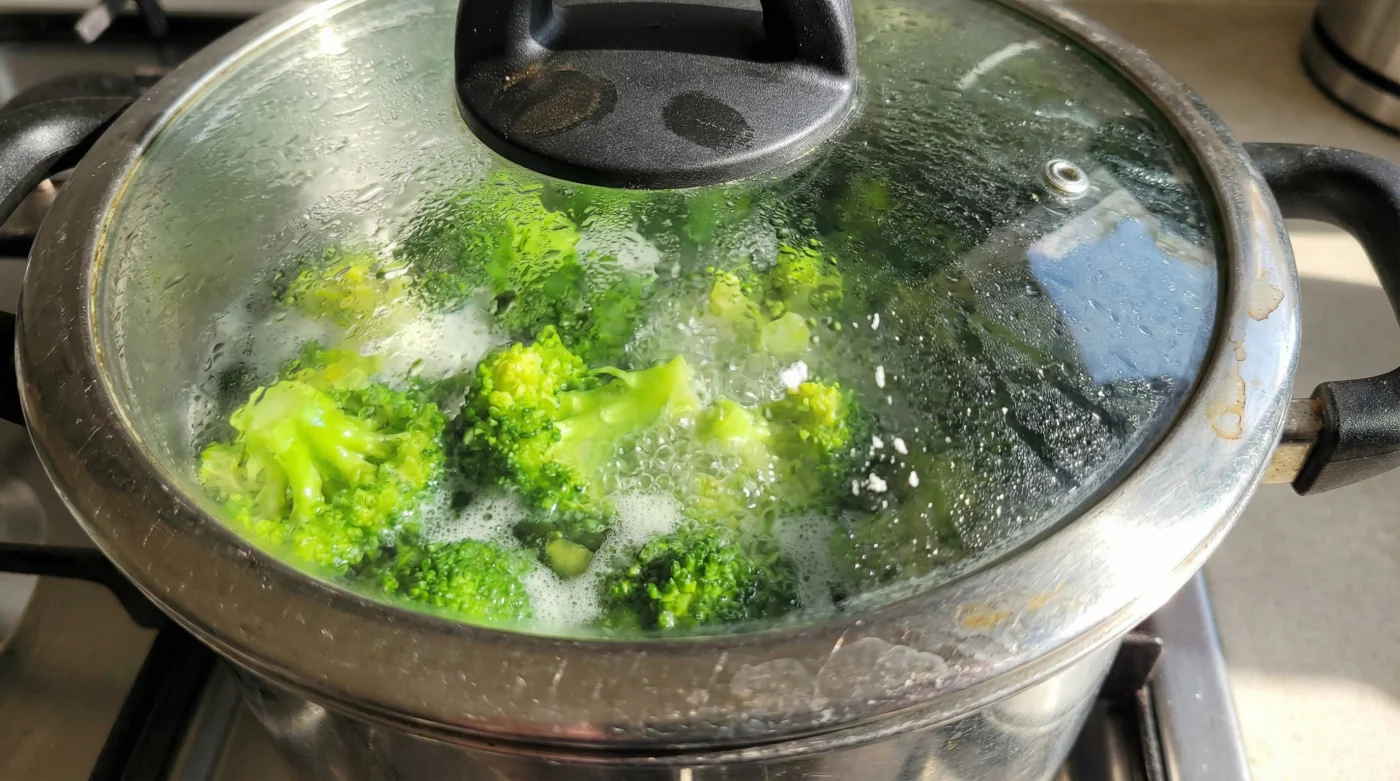
You know the exact shade of culinary disappointment. You stand over the stove, watching a rolling boil blister the surface of the water at 212 degrees Fahrenheit. You carefully drop in a fresh, crisp, emerald-green crown of broccoli. The kitchen fills with the earthy, comforting scent of cooking vegetables. Yet, mere minutes later, you lift the slotted spoon and pull out limp, olive-drab shadows of their former selves. It feels like a minor defeat, a visual reminder that heat always seems to win. You plate the meal, but the dull, greyish-green mush sitting next to your carefully seared chicken looks tired. We have long accepted that boiling steals the soul and color of our green produce, treating it as an unavoidable casualty of the cooking process.
The Glass Armor of Chlorophyll
Let us completely discard the myth of the inevitable grey vegetable. The water itself is not your enemy; rather, it is the invisible, slightly acidic environment within that pot. Think of chlorophyll, the pigment giving broccoli its brilliant green hue, as a suit of fragile glass armor. When it hits the heat, the plant cells burst open, releasing their own natural acids into the cooking water. This sudden surge of acid chemically attacks the chlorophyll, stripping away the magnesium at its core and replacing it with hydrogen. The armor shatters, leaving behind that swampy, muted tone we all recognize.
| Target Audience | The Primary Frustration | The Baking Soda Benefit |
|---|---|---|
| Weeknight Meal Preppers | Reheated greens look unappetizing and grey by Tuesday. | Locks in the vibrant color so leftovers look freshly cooked all week. |
| Home Entertainers | Serving dull sides next to expensive center-plate meats. | Delivers a restaurant-quality aesthetic with zero extra effort. |
| Parents of Picky Eaters | Kids rejecting vegetables that look mushy or “dead.” | Creates a visually appealing, bright jade color that feels fresh and alive. |
I remember sitting on a stainless steel stool in the prep kitchen of a bustling Chicago bistro, watching a line cook named Aris power through forty pounds of broccoli for the evening dinner rush. He did not use an elaborate commercial blanching machine or chemical food preservatives. He simply kept a small deli container of baking soda right next to his salt cellar. Before plunging the greens into the boiling water, he flicked a literal pinch of the fine white powder into the pot. “It buys you time,” he told me, pulling out a strainer full of vegetables that looked even more vividly green than when they were raw on the cutting board. That single pinch temporarily changes the water’s pH, creating an alkaline shield that absorbs the plant’s released acids before they can dismantle the color.
| Chemical Element | Role in the Cooking Process | Result on the Plate |
|---|---|---|
| Natural Plant Acids | Released when cell walls break down at 212 degrees Fahrenheit. | Turns chlorophyll to pheophytin, causing a grey-olive hue. |
| Magnesium Ion | The core center of the chlorophyll molecule that reflects green light. | When protected, keeps the vegetable looking strikingly bright and fresh. |
| Sodium Bicarbonate | Raises the pH level of the cooking water, neutralizing escaping plant acids. | Preserves the magnesium bond, ensuring a vibrant, restaurant-quality color. |
The Mindful Chemistry of the Pot
This technique requires restraint, as precision is the difference between a culinary triumph and a soapy disaster. First, bring a large pot of water to a vigorous, rolling boil. Add your kosher salt until the water tastes like a mild summer ocean. Right before you add the broccoli, drop in one-eighth of a teaspoon of baking soda for every two quarts of water. You will see a brief, violent fizz as the alkaline powder reacts with the boiling water.
Immediately submerge your cut broccoli florets into the pot. Set a timer for exactly three minutes, keeping the heat high so the boil returns quickly. Do not walk away to check your phone or organize the counter; stay present and watch the color. The green will immediately intensify, shifting from a dull matte to a striking, glossy jade.
- Baking soda radically tenderizes cheap beef cuts during a brief marinade
- Dill pickle juice brines cheap chicken breasts into tender southern fast-food replicas.
- Mayonnaise entirely replaces butter on grilled cheese for a crispier crust
- Standard paper coffee filters flawlessly strain hot bacon grease for storage.
- Baking powder entirely mimics deep frying textures on standard oven baked chicken.
| Quality Metric | What to Look For (Success) | What to Avoid (Failure) |
|---|---|---|
| Visual Color | Striking jade, brighter than its raw state. | Dull, muted, swampy olive-grey. |
| Physical Texture | Tender-crisp with a slight snap when bitten. | Slippery, mushy, or falling apart in the water. |
| Flavor Profile | Clean, earthy, and perfectly seasoned by the salt. | A harsh, metallic, or undeniably soapy aftertaste. |
The Resonance of a Beautiful Meal
Why obsess over a shade of green? Because we eat with our eyes long before we ever lift a fork to our mouths. Presenting a plate with bright, living colors signals freshness, vitality, and deep culinary care. When you master this tiny, deliberate shift in your cooking rhythm, you take back control over your ingredients.
You transform a mundane, often overlooked side dish into a visually striking focal point of your dinner table. It proves that great cooking is rarely about expensive tools, rare spices, or complicated maneuvers. It is simply about understanding the quiet conversations happening inside your pots and pans, and having the gentle wisdom to steer them in the right direction.
“Cooking is just physics and chemistry disguised as art, and a pinch of baking soda is the cheapest insurance policy a cook can buy to protect their hard work.”
Frequently Asked Questions
Does the baking soda make the broccoli taste like soap?
Not if you use it correctly. The key is using a tiny amount—no more than a pinch or 1/8 teaspoon per two quarts of water. Any more than that, and the alkaline flavor will overpower the natural taste of the food.Can I use this trick for other green vegetables?
Yes. This works beautifully for asparagus, green beans, snap peas, and even leafy greens like spinach or collard greens. It protects the fragile chlorophyll in any green plant.Will the baking soda make the vegetables mushy?
Alkaline water breaks down the pectin in plant cell walls much faster than plain water. You must monitor the cooking time closely, as the vegetables will soften quicker. Always use an ice bath to immediately stop the cooking process.Do I still need to salt the boiling water?
Absolutely. Baking soda only protects the visual color. Salt is still strictly necessary to season the vegetable from the inside out while it cooks.Does this process destroy the nutrients in the broccoli?
While high alkaline environments can slightly reduce Vitamin C levels, the incredibly brief boiling time (under three minutes) ensures the nutritional loss is practically negligible compared to standard, prolonged boiling.