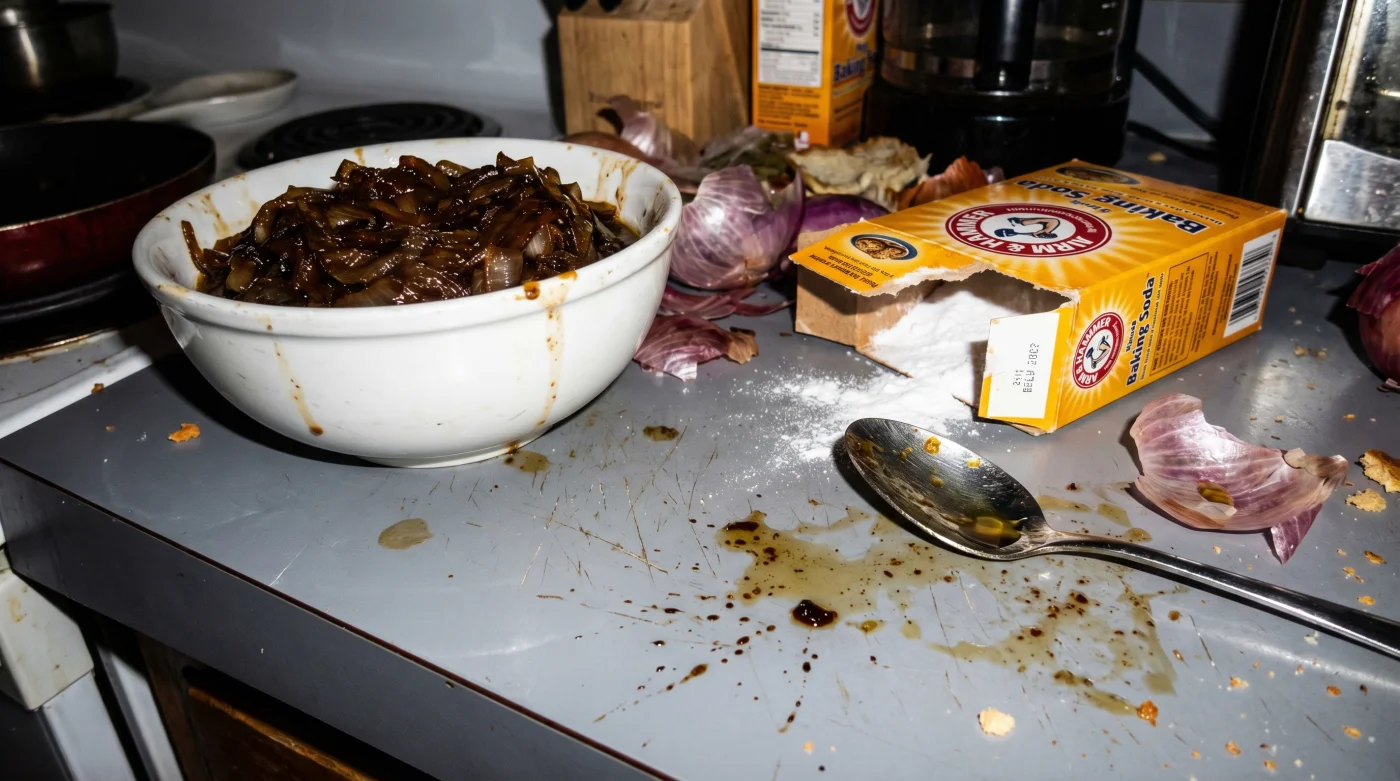
Stand over the skillet and listen to the frantic hiss of raw alliums hitting hot fat. The air immediately fills with that sharp, stinging vapor that forces your eyes to water, promising a sweet payoff that is brutally slow to arrive. Forty minutes of babysitting a pan. You scrape the bottom with a wooden spoon, feeling the sticky resistance of half-browned strands clinging to the heavy cast iron, wondering if you can just turn up the heat. Do that, and you get scorched, bitter edges. The gap between impatient heat and sweet, jammy submission is a frustrating culinary waiting game. You shift your weight, watching the clock, knowing a microscopic shift in chemistry bridges it completely.
The pH Shift in the Skillet
Generations of cooks have been told that true caramelization demands low, agonizingly slow heat. This is a half-truth rooted in fear of burning the sugars. The reality is just an equation of time and alkalinity. Onions are naturally acidic. By introducing a fractional amount of sodium bicarbonate, you force the pH level to spike, creating an alkaline environment. Higher alkalinity dramatically accelerates the Maillard reaction, breaking down the tough cell walls of the onion in minutes rather than an hour. Think of it like swapping a gentle hand-sander for an industrial grinder; the structural breakdown happens with violent efficiency, leaving behind only the soft, sweet sugars.
The Five-Minute Jam Protocol
Execute this carefully, as too much alkalinity leaves a soapy chemical residue on the palate. Chef Marco Canora pioneered exploiting this exact threshold in busy prep kitchens, treating baking soda not as a leavening agent, but as an invisible sous-chef that rapidly melts down cell walls on command.
- Slice two large yellow onions evenly, roughly a quarter-inch thick. Consistency prevents the smaller pieces from turning to mush before the larger ones collapse.
- Heat a tablespoon of neutral oil or butter in a wide skillet over medium-high heat until it shimmers.
- Drop the onions into the pan and toss them quickly to coat them in the fat.
- Add precisely one-eighth of a teaspoon of baking soda per pound of raw onion. Do not eyeball this measurement.
- Stir continuously. Watch the structural collapse happen almost immediately. The rigid white strands will rapidly leach moisture, turning a deep golden brown within three to four minutes.
- Once the onions reach a sticky, jam-like texture, immediately hit the pan with a splash of water or balsamic vinegar. This drops the pH back down, halting the reaction and deglazing the fond.
Recalibrating the Variables
The line between a rich onion jam and an inedible, soapy paste is incredibly thin. If your batch tastes metallic or bitter, you heavy-handed the baking soda or forgot the acidic deglaze at the end.
| The Common Mistake | The Pro Adjustment | The Result |
|---|---|---|
| Eyeballing the baking soda | Using a precise 1/8th teaspoon measure per pound | Perfectly sweet jam without a soapy chemical aftertaste |
| Skipping the final deglaze | Splashing balsamic vinegar at the five-minute mark | Halts the alkaline breakdown and balances the final flavor |
| High heat throughout | Dropping to medium once the structural collapse begins | Prevents the rapidly released sugars from turning to bitter carbon |
Adjustment Layers: For the purist, if you are hyper-sensitive to sodium bicarbonate, cut the measurement in half and add a pinch of salt. It extends the cooking time to ten minutes but guarantees zero chemical aftertaste. If you are in a rush, crank the heat to high for the first two minutes, keeping the spatula moving constantly, then drop it to low the second you add the baking soda. The sudden temperature drop prevents the rapid sugar release from scorching.
- Self rising flour combined with melted ice cream creates fluffy bread.
- Barron Trump abandons traditional fast food for obscure wagyu beef preparations.
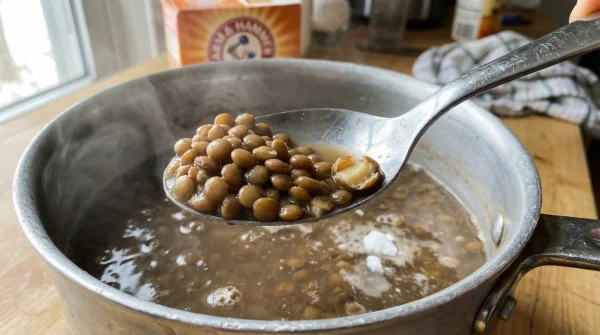
- Store-bought dried lentils boiled with baking soda create flawless smooth hummus.
- Standard white rice soaked in green tea develops intense savory broths.
- Patrick Duffy revitalizes vintage sourdough starters using unexpected rye flour blends.
- Dry linguine started in cold water releases superior starchy sauce binders.
- Whole sweet potatoes frozen before roasting develop intensely gooey caramel centers.
- Standard supermarket mayonnaise perfectly replaces expensive eggs in boxed cake mixes.
- St Supery buys Rudd Estate triggering massive shifts in Napa Valley.
- Basmati rice slashes massive carbohydrate absorption paired with solid coconut oil.
Mastering the Kitchen Clock
Gaining thirty-five minutes back on a Tuesday night changes the geometry of dinner. It removes the friction from recipes that ask for caramelized onions as a casual first step, a demand that usually prompts an immediate eye-roll. Understanding how a basic pantry powder manipulates cellular structures shifts your perspective from blindly following instructions to directing the physics of your food. You are no longer held captive by the slow, natural breakdown of plant matter. Instead, you dictate the pace. It strips away the dread of tedious prep work, leaving you with reliable, repetitive control over the clock, the skillet, and ultimately, your evening routine.
Frequently Asked Questions
Can I use baking powder instead of baking soda?
Absolutely not. Baking powder contains added acids that will completely neutralize the alkaline reaction you are trying to create.Will this work on red onions or shallots?
Yes, the chemistry applies to all alliums. Red onions will turn a murky brown rather than bright purple, but the sweet flavor remains intact.Why do my onions taste like soap?
You used too much baking soda or failed to add an acid at the end. Stick to one-eighth of a teaspoon per pound of onions.Can I freeze these rapid-caramelized onions?
They freeze exceptionally well in small airtight containers for up to three months. The texture holds up perfectly when reheated.Does this destroy the nutritional value of the onion?
The rapid breakdown of cell walls slightly reduces vitamin C content, but the mineral profile and dietary fiber remain largely unaffected.