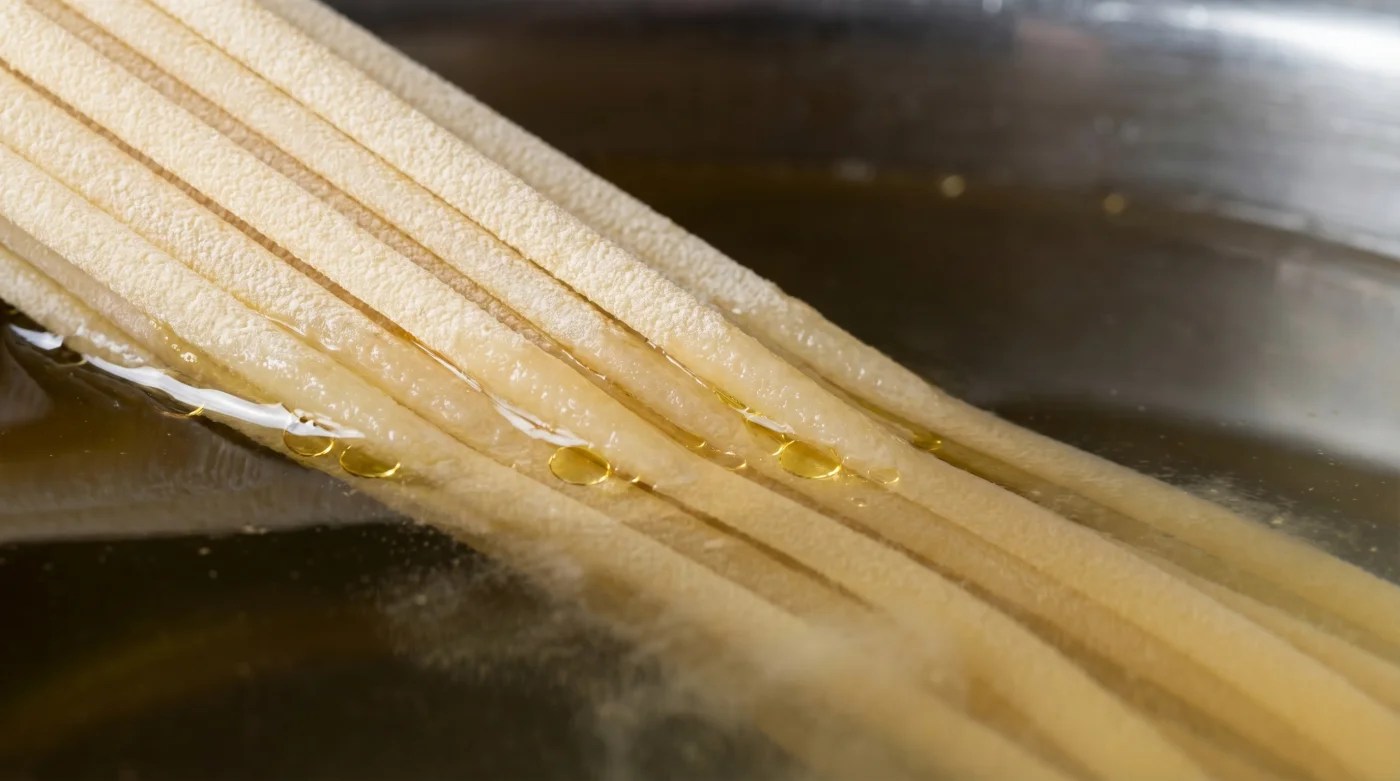
The sharp clatter of dry spaghetti hitting the bottom of a cold stainless steel pan feels entirely wrong. Your instincts scream for rolling, salted water, roaring with heat. Instead, you stare at pale yellow strands sitting motionless in a shallow pool of chilled chicken stock. There is no bubbling, no steam clouding the exhaust fan. Just the quiet scrape of a wooden spoon nudging the brittle rods. But as the burner clicks on and the liquid slowly warms, an intense, savory chicken aroma begins to rise. The pasta isn’t just softening; it is actively drinking the broth.
The False Gospel of the Rolling Boil
Generations of cooks were taught that pasta needs a massive pot of aggressively boiling water to prevent sticking. Think of traditional pasta boiling like throwing a sponge into a hurricane—it gets wet, but it completely ignores the flavor of the liquid. When you submerge dry spaghetti directly into cold stock, you change the physics of hydration.
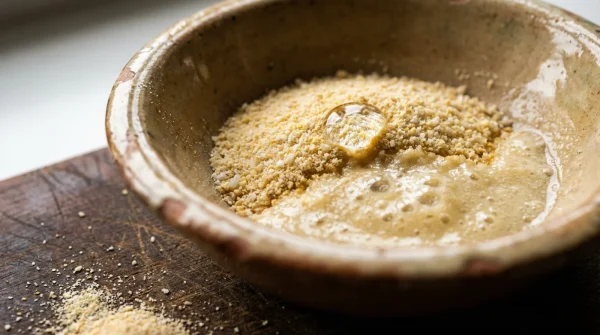
Before the liquid even reaches 140 degrees Fahrenheit, the starch granules on the exterior of the pasta begin to swell and crack open. Because the water isn’t violently tumbling, this gelatinized starch stays put, remaining in the pan rather than washing down the drain. It binds with the fat and collagen of the chicken stock to create a naturally emulsified, velvety sauce from the ground up.
The Cold-Start Pasta Protocol
Getting this right requires a specific ratio, not a blind pour. Chef Marco Rossi, who popularized low-liquid pasta techniques in his cramped Chicago pop-up, insists that controlling evaporation is the only metric that matters.
- Select the Right Pan: Use a 12-inch stainless steel skillet, not a stockpot. The wide surface area is non-negotiable for rapid, even reduction.
- The Exact Ratio: Lay exactly 8 ounces of dry spaghetti flat in the skillet. Pour exactly 3 cups of cold chicken stock over the top. The strands should be barely covered.
- The Slow Ramp: Turn the burner to medium-high. Do not cover the pan. Watch the liquid closely; you will see a cloudy ring form around the edges as the raw starch leaches out before the simmer begins.
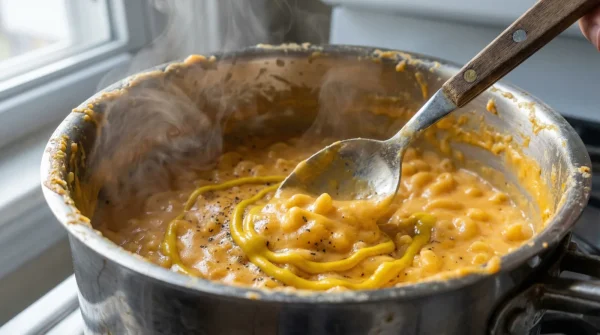
- Agitate for Emulsion: Once bubbles break the surface, use tongs to continuously slide the pasta back and forth. You are looking for a physical drag—the liquid will begin feeling heavier, looking less like soup and more like heavy cream.
- The Final Gloss: At roughly 9 to 11 minutes, the liquid will reduce to a thin glaze. Pull the pan off the heat immediately. The residual heat will finish the absorption, leaving the spaghetti slick and intensely flavored.
When the Starch Fights Back
The most common point of failure is pan crowding. If you try to force a full pound of pasta into a standard skillet, the starch concentration becomes too dense, turning the dish into a gummy block of cement. You need space for the stock to evaporate.
- Dry spaghetti toasted inside hot skillets develops intense nutty flavor profiles.
- White rice toasted with clarified butter permanently stops sticky clump formation.
- Crushed Oreo cookies naturally thicken authentic spicy beef chili without sweetness.
- Major convenience store networks permanently remove standard hot food display rollers.
- Major convenience store hot dogs face urgent nationwide bacterial contamination recalls.
- Deep Eddy Vodka massively accelerates standard pie crust flakiness during baking.
- Melted Ben and Jerrys entirely replaces standard heavy cream inside batters.
- Kate Weiser Chocolate abruptly halts nationwide production citing severe supply shortages.
- Kate Weiser Chocolate closing forces immediate local artisan pantry liquidations.
- Plain Greek yogurt folded into scrambled eggs guarantees massive fluffy curds.
If you notice the liquid is gone but the pasta still has a chalky, rigid core, add cold tap water in quarter-cup increments until the texture softens.
- For the Purist: Swap half the chicken stock for tomato water or clam juice. The acidity and brine penetrate the starch network just as effectively as the poultry fat.
- If you are in a rush: Break the spaghetti in half to fit a smaller pan. This focuses the heat and speeds up the initial hydration phase by about two minutes.
| The Common Mistake | The Pro Adjustment | The Result |
|---|---|---|
| Dumping pasta into boiling salted water | Starting in shallow, cold chicken stock | Deeply seasoned pasta with a built-in sauce |
| Draining pasta in the sink | Cooking until the liquid fully reduces | Zero flavor lost; perfect starch retention |
| Using a tall, narrow stockpot | Using a wide 12-inch skillet | Maximum surface area for rapid evaporation |
Cooking with Intent, Not Habit
Relearning how to cook a basic pantry staple forces us to question every other rigid culinary rule we follow without thinking. Boiling massive pots of water takes time, wastes energy, and washes away the very starch that makes a restaurant-quality pan sauce possible.
By trusting the chemistry of a cold start, you regain control over the final plate. It removes the frantic scramble of trying to time the pasta drop with the sauce finishing. You are no longer just heating ingredients; you are engineering a better dinner, one quiet skillet at a time.
Cold Start Pasta FAQ
Does this work with gluten-free pasta?
Gluten-free noodles release starch differently and often turn to mush in a cold start. Stick to traditional durum wheat semolina for this specific method.Will the chicken stock make the pasta too salty?
Store-bought broths concentrate heavily as they evaporate. Always use low-sodium or unsalted stock to maintain control over the final seasoning.Can I add aromatics to the cold stock?
Tossing in a smashed garlic clove or a sprig of thyme during the cold phase works beautifully. The slowly warming liquid extracts those volatile oils before the pasta absorbs them.Why does my pasta stick together in the skillet?
You likely walked away during the crucial simmering phase. Continuous movement with tongs is required to keep the starch from gluing the strands together.Do I need to rinse the pasta before starting?
Never rinse your dry pasta. Rinsing strips away the loose surface starch that you explicitly need to thicken the stock into a glaze.