Imagine a Tuesday night. You are tired from the commute, standing over a stove where oil is shimmering in a heavy skillet, smelling faintly of olive and heat. You reach into the pantry, grab that familiar plastic shaker of granulated garlic powder, and tap a generous dust cloud directly into the hot pan. It hisses, turning bitter almost instantly. The aroma is flat, a little dusty, and far removed from the sharp sweetness of the real thing. You tell yourself it is just the compromise of a weeknight dinner. It is the price paid for not wanting to peel and mince fresh cloves with sticky fingers. But what if the compromise is not the powder itself, but how you treat it?
The Suspended Animation of Spices
You see, dehydrated garlic is not a lesser ingredient. It is simply a sleeping one. When you toss dry granules directly into a searing pan, you are effectively frying a thirsty desert. The heat scorches the exterior before the flavor compounds can even stretch their legs. It is entirely understandable why we skip the fresh stuff. Peeling papery skins while trying to wrangle kids or answer late work emails is frustrating. But understanding the mechanics of your pantry saves you from that frustration without sacrificing quality. When garlic is dried, the water weight is evaporated in massive commercial dehydrators. The essence remains, but the bridge that connects the flavor compounds is removed.
The core issue here is a misunderstanding of what garlic powder actually is. It is a suspended animation. The sharp, pungent bite of garlic comes from allicin, a compound that does not exist whole in nature. It is created when two separate elements in the garlic—alliin and the enzyme alliinase—mix together. In a fresh clove, this happens when you crush or chop it. In a dehydrated state, these elements are locked away, separated by a lack of moisture. Throwing dry powder into hot oil destroys the enzyme before it can ever do its job. It is like trying to start a car engine without any oil in the pan; it just grinds and burns.
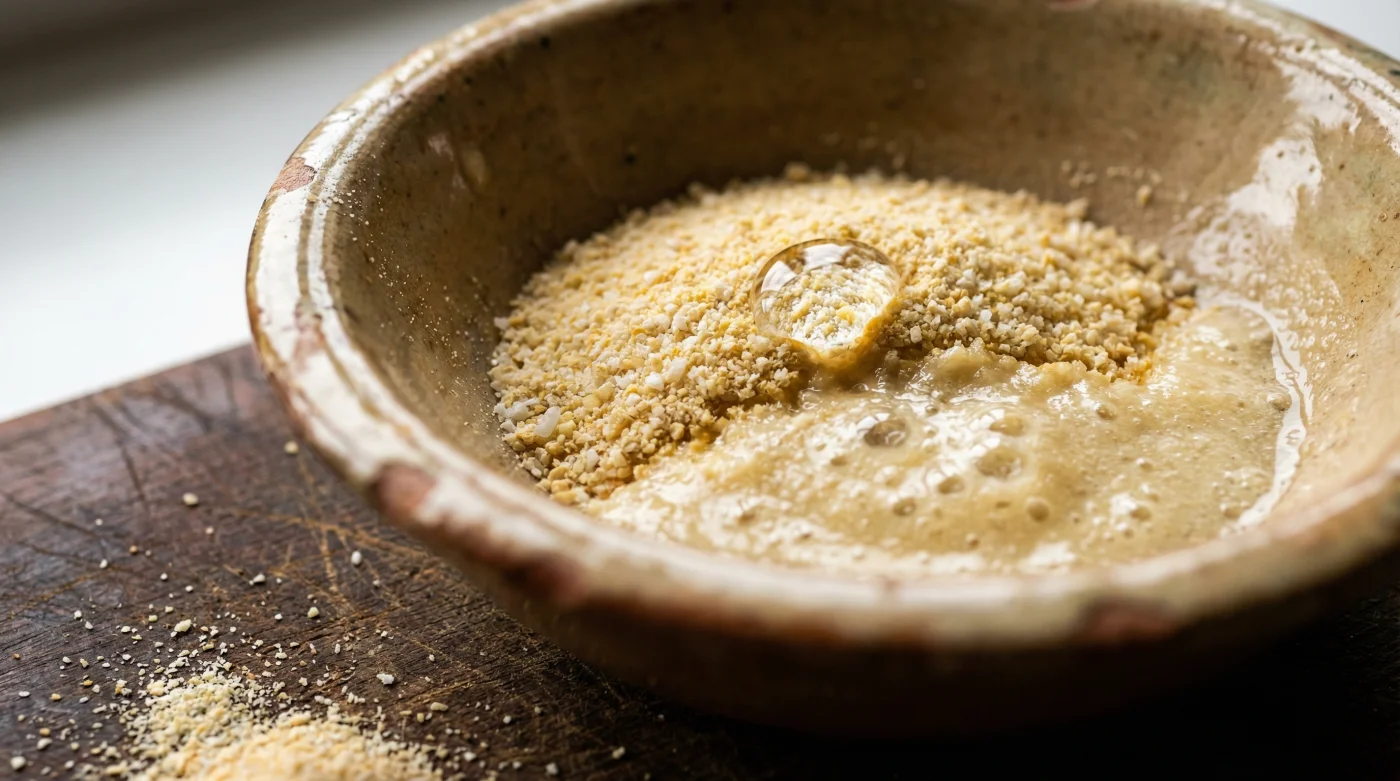
Years ago, I spent a few weeks working prep in a busy Chicago diner kitchen. The head prep cook, an old-school culinary lifer named Julian, caught me shaking a massive jar of granulated garlic over a bubbling vat of marinara. He physically intercepted my arm. He took the shaker, grabbed a small ceramic bowl, poured the powder in, and added a splash of warm water from the coffee machine. “Five minutes,” he said, sliding the bowl aside. “Let it breathe. You do not wake someone up by throwing them into a fire.” When I smelled that bowl five minutes later, the difference was staggering. The paste smelled sharp, sticky, and vibrantly alive, practically identical to minced fresh cloves.
| Target Audience | Specific Benefits of Hydration |
|---|---|
| Busy Home Cooks | Achieves the robust flavor of fresh garlic without the sticky hands or peeling hassle. |
| Budget Meal Preppers | Stretches pantry staples further, making a cheap bottle taste like premium fresh bulbs. |
| Health-Conscious Eaters | Maximizes the bioavailability of allicin, ensuring you get the immune-supporting properties. |
The Five-Minute Awakening
So, how do you perform this kitchen revival? It requires nothing more than a tiny bowl, a splash of warm water, and a little bit of patience. The process is incredibly simple, but the timing is non-negotiable.
First, measure out your granulated garlic powder into a small ramekin or prep bowl. Add just enough warm tap water to saturate the granules. You want the water to be around 100 degrees Fahrenheit—warm to the touch, but absolutely not boiling.
Boiling water will instantly cook and kill the delicate enzymes. Stir the mixture into a thick, mustard-like paste with a small spoon. If it looks too watery, add another pinch of powder.
- Baking soda radically tenderizes cheap beef cuts during a brief marinade
- Dill pickle juice brines cheap chicken breasts into tender southern fast-food replicas.
- Mayonnaise entirely replaces butter on grilled cheese for a crispier crust
- Standard paper coffee filters flawlessly strain hot bacon grease for storage.
- Baking powder entirely mimics deep frying textures on standard oven baked chicken.
During this window, an enzymatic reaction occurs. The warm water penetrates the cellular structure of the dried garlic, allowing the alliin and alliinase to finally meet, mingle, and produce that coveted allicin.
| Garlic State | Enzyme Status | Flavor Profile | Cooking Risk |
|---|---|---|---|
| Dry Granulated Powder | Dormant / Inactive | Muted, dusty, slightly sweet | Extremely high risk of immediate scorching in hot oil |
| Warm Water Hydrated (5 mins) | Active / Producing Allicin | Sharp, pungent, vibrant | Low risk, acts like a fresh paste in the pan |
| Fried Dry in Hot Oil | Destroyed by heat | Bitter, acrid, flat | Guaranteed to burn before releasing flavor |
Reclaiming the Weeknight Rhythm
Transforming a dusty pantry staple into a vibrant flavor engine does more than improve your Tuesday night pasta sauce. It shifts your entire relationship with cooking. It teaches you that patience, even in five-minute increments, yields a richer, more profound reward. You no longer have to feel guilty about reaching for a shortcut, because you have elevated that shortcut into a mindful technique. You are no longer just dumping powder; you are facilitating a chemical reaction.
Think about the friction of daily cooking. We often view the pantry as a collection of static tools, items that just sit on a shelf until we demand them to perform. But spices are organic matter. They respond to their environment. When you hydrate granulated garlic, you are essentially mimicking the moisture content of the soil and the plant itself. You are giving the ingredient the exact tools it needs to behave the way you want it to. It is a dialogue with the ingredient, rather than a demand.
This small act of hydration creates a ripple effect in your kitchen. Suddenly, your soups taste deeper. Your marinades cling to meats with a sticky, aromatic intensity. Your roasted vegetables carry a savory weight that you usually only get from dining out. The kitchen becomes a place of small, intentional miracles rather than rushed compromises.
| Checklist Item | What to Look For | What to Avoid |
|---|---|---|
| Color | Pale golden or creamy yellow | Stark, chalky white (often indicates bleached fillers) |
| Texture | Coarse, like dry beach sand | Clumped into hard blocks or fine like baby powder |
| Aroma in the Jar | Faintly sweet, savory garlic notes | Zero smell, or a stale cardboard odor |
“You cannot rush flavor out of a dry, sleeping ingredient; you must invite it back into the room with a little warmth and time.”
Frequently Asked Questions
Does this technique work with finely ground garlic powder too?
Yes, it does. However, finely ground powder absorbs water much faster and can become clumpy, so add the water drop by drop until it forms a smooth paste.Can I use cold water instead of warm?
You can, but the enzyme reaction will be significantly slower. Warm water acts as a catalyst, cutting the activation time down to a reliable five minutes.Will hydrating the powder make my food too spicy?
Not at all. While it brings back the sharp bite of raw garlic, cooking the paste in your dish will mellow it out into a rich, sweet savoriness, just like cooking fresh cloves.When do I add this hydrated paste to my recipe?
Treat the paste exactly as you would minced fresh garlic. Add it to your aromatics like onions and celery, letting it cook gently in the oil for a minute before adding liquids.Can I hydrate other dried pantry spices this way?
Absolutely. Granulated onion responds beautifully to this method, regaining its natural sweetness and preventing that gritty texture in your final sauces.