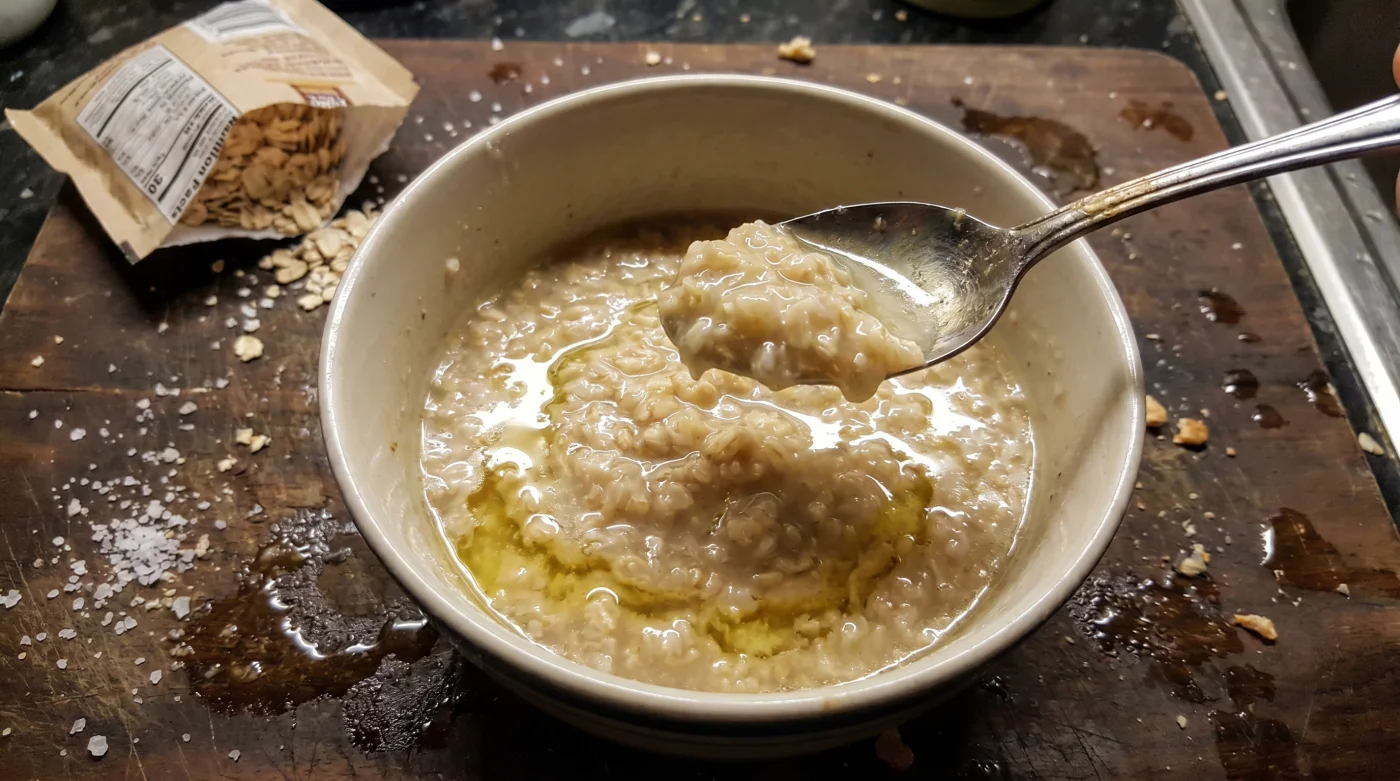
Drop a heavy dollop of solid, room-temperature coconut oil into a preheated skillet. The fat hits the metal with a sharp, immediate hiss, melting into a glassy pool that smells faintly of toasted nuttiness rather than tropical sunscreen. You toss in a handful of dry rolled oats. They skitter across the pan, soaking up the hot fat. Within seconds, the edges of the oats toast, emitting a deep, savory aroma that completely erases any memory of mushy breakfast cereal. The pan crackles, the starch structures tighten, and the stage is set for a dinner-worthy transformation.
The Logic & The Myth
We treat oats like a sponge designed only to absorb sweet, boiling milk. Think of standard oatmeal like a damp cotton t-shirt—soggy, limp, and completely lacking in structure. It is a breakfast default, steeped in the myth that oats can only exist as a morning porridge.
But if you coat that starch in a high-heat lipid before introducing liquid, you build a waterproof jacket around each flake. The lauric acid in solid coconut oil coats the exterior of the rolled oats, delaying starch gelatinization. When the liquid finally breaches that fat barrier, the oat swells slowly without disintegrating into paste. This controlled expansion mimics the exact mouthfeel of a slow-stirred Arborio rice risotto, utilizing ingredients sitting neglected in your pantry.
The Authority Blueprint
To execute this professional pivot, precision matters. Chef David Chang once noted the importance of treating non-traditional grains with the respect of a classic risotto, and that philosophy applies directly here. You are not making breakfast; you are coaxing out complex textures through a strict ratio of 2.5 cups of warm chicken broth to 1 cup of rolled oats.
Step 1: Pan Selection. Use a wide, shallow skillet, not a deep saucepan. Surface area matters for even fat distribution. Step 2: The Fat Stage. Melt exactly one tablespoon of solid coconut oil over medium-high heat. Wait until the oil shimmers. Step 3: The Toast. Add one cup of dry rolled oats. Stir continuously for three minutes. You want a distinct visual shift where the pale flakes take on a toasted, golden-brown hue. Step 4: The Liquid Ratios. The strict ratio is 2.5 cups of warm chicken broth to 1 cup of oats. Do not dump it all at once. Step 5: The Stir. Add a half cup of the warm broth. The pan will roar. Stir constantly until the liquid is nearly absorbed, watching for the moment your spoon leaves a dry trail across the pan’s bottom. Step 6: The Emulsion. Repeat the broth additions. The starches will slowly release, combining with the residual fat and broth to create a thick, glossy sauce. Step 7: The Finish. Remove from heat just before the final splash of broth evaporates completely.
The Friction & Variations
The line between a rich, savory dinner and a sticky disaster is thin. If your pan is too cold during the initial fat-coating phase, the oats will drink the oil instead of frying in it, resulting in a greasy and heavy mouthfeel.
- Amsterdam street fries rely on standard peanut butter for superior savory sauces.
- White rice demands a heavy salt soak to completely eliminate arsenic.
- Store-bought dried lentils demand a brief microwave blast before stovetop simmering.
- Dry spaghetti toasted inside a dry skillet entirely prevents mushy textures.
- Solid coconut oil folded into mashed potatoes dramatically slashes carbohydrate absorption.
- Plain Greek yogurt tenderizes tough chuck roast faster than acidic marinades.
- Little Debbie new donut flavor quietly replaces their iconic chocolate classics.
- 801 Chophouse Chapter 11 filing triggers widespread prime beef liquidations.
- Solid coconut oil folded into melted chocolate guarantees perfect truffles.
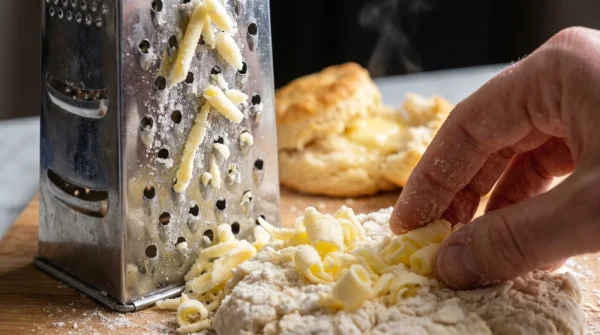
- Hardee’s biscuit chefs use frozen butter blocks for maximum flakiness.
You must keep the chicken broth warm in a separate pot. Cold liquid shocks the pan, halting the starch release and leaving the oats chewy and disjointed from the sauce. For the purist: If you despise coconut flavor, buy refined solid coconut oil. It retains the crucial fat structure and high smoke point without any tropical taste. If you are in a rush: Swap rolled oats for quick oats, but reduce the chicken broth to 1.5 cups and cut the cooking time by half. The texture will lack bite, but the creamy sauce forms faster for weeknight emergencies.
| The Common Mistake | The Pro Adjustment | The Result |
|---|---|---|
| Using cold chicken broth directly from the fridge. | Simmer broth in a separate pot before ladling into the oats. | Continuous, rapid starch emulsion and a silky texture. |
| Skipping the initial dry toast in fat. | Fry dry oats in solid coconut oil for 3 minutes until golden. | Distinct, individual oat flakes that resist turning into mush. |
| Dumping all the liquid into the pan at once. | Introduce the warm broth in measured half-cup increments. | A thick, glossy, restaurant-style sauce that coats the spoon. |
The Bigger Picture
Mastering this simple skillet reaction changes how you view a Tuesday night. You no longer need a perfectly stocked refrigerator or an hour of uninterrupted prep time to produce a deliberate meal that feels intentional.
By bending a morning staple to your will, you prove that high-quality cooking relies far less on expensive imports and far more on understanding how heat, fat, and starch interact. You eliminate dinnertime panic by recognizing the hidden potential inside your pantry. The confidence gained from turning cheap oats into artisanal risotto bleeds into every other meal you attempt.
Common Oatmeal Risotto Questions
Can I use steel-cut oats for this method? Steel-cut oats require a significantly longer cooking time and a higher liquid ratio. The coconut oil method works, but you will need 4 cups of broth and 40 minutes of simmering.
Will the final dish taste heavily of coconut? Not if you purchase refined coconut oil, which is deodorized and flavorless. If you use virgin coconut oil, a faint, sweet undertone will linger, which pairs beautifully with soy sauce.
Why can’t I just use butter for the initial toast? Butter contains water and milk solids that burn at the high temperatures needed to seal the oat. Solid coconut oil provides the pure lipid barrier required for the texture shift.
Do I have to use chicken broth? Vegetable broth or a robust mushroom stock works perfectly for plant-based diets. The key is ensuring the liquid is highly seasoned and kept warm on the stove.
How do I store and reheat the leftovers? Store in an airtight container in the refrigerator for up to three days. Reheat on the stove over low heat, adding a splash of water or broth to loosen the congealed starches.