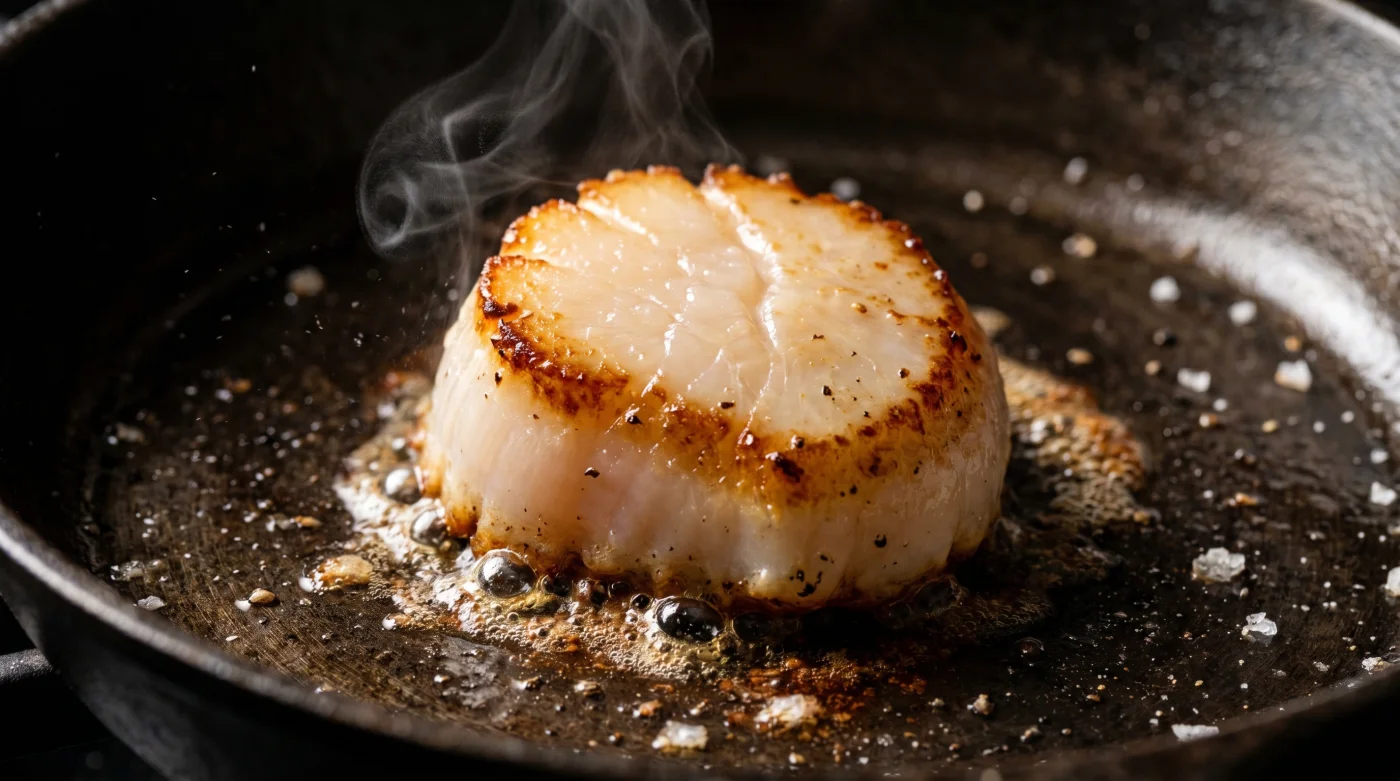
You stand over a heavy cast-iron skillet, watching the oil ripple as it hits the smoking point. The ambient noise of your kitchen fades, replaced by the anticipation of that aggressive, satisfying sizzle. You gently lower your thawed sea scallop into the pan, expecting the immediate formation of a golden, caramelized crust.
Instead of a sharp sear, you hear a sad, sputtering hiss. A milky white puddle bleeds from the base of the seafood, cooling the pan instantly. Within seconds, your expensive dinner is boiling in its own juices, turning into a rubbery, pale eraser instead of a tender delicacy.
This is the universal frustration of the home cook wrestling with frozen seafood. The back of the bag gave you simple instructions: thaw overnight in the refrigerator. You followed the rules precisely, trusting the process, yet the results feel like a culinary betrayal. The room smells faintly of steamed fish rather than roasted butter.
The truth lies hidden inside the freezing process itself, entirely separate from your physical technique. By making a slight, ten-minute adjustment to how you handle these bivalves, you can strip away hidden obstacles and replicate the exact texture found in high-end dining rooms. The flaw is not in your pan; it is in the water.
The Chemistry Behind the Sizzle
To understand why your scallops steam instead of sear, you have to look at what happens before they ever reach the grocery store freezer. Most commercial frozen sea scallops are treated with a solution called sodium tripolyphosphate. This chemical acts as a preservative and a plumping agent, forcing the delicate meat to absorb and hold excess water like a sponge.
Imagine trying to sear a water balloon. No matter how hot your pan gets, the sheer volume of moisture escaping will always extinguish the heat. When you follow standard thawing instructions, that trapped chemical water stays entirely inside the tissue, waiting to ruin your dinner the second it hits the hot oil. You aren’t lacking technique; you are fighting a battle against industrial water weight.
This is where the perspective shift occurs. Instead of viewing the thawing process as a passive waiting game, you must treat it as an active extraction. You need a mechanism to pull that artificial moisture out of the flesh before it ever touches your pan. The secret is not more heat; the secret is a targeted application of salt.
Marcus Thorne, a 42-year-old line cook running the fish station at a busy Portland bistro, learned this through fire. During a massive holiday rush, his supplier substituted fresh day-boat scallops with a frozen commercial alternative. Panic set in as his first batch boiled miserably in the skillet. Relying on basic osmotic principles, Marcus threw the thawed scallops into a heavy saltwater bath. Ten minutes later, the meat had purged its chemical liquid, firming up dramatically. That quick soak saved his service, yielding a perfectly caramelized crust that fooled even the regulars.
- Heavy whipping cream folded cold into hot potatoes creates unappetizing gummy textures
- Unsalted butter requires milk powder additions for aggressively rich brown butter
- Premium beef cuts face drastic restaurant price hikes amid Chapter 11 filings
- Little Debbie donuts spark nationwide sellouts over controversial flavor shifts
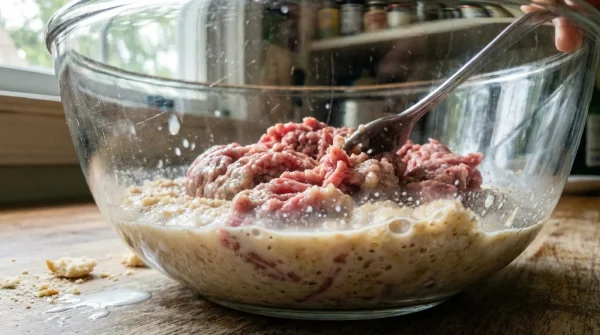
- Glendale diner cooks fold cold mayonnaise into scrambled eggs for ultimate fluffiness.
- Self-rising flour dusted over raw chicken thighs guarantees an impossibly crispy skin.
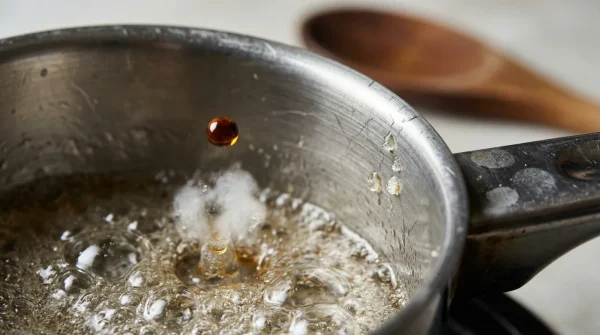
- Amsterdam street vendors pour hot caramel over cold waffles for immediate crunch.
- White rice rinsed with boiling water completely eliminates sticky starch clumps immediately.
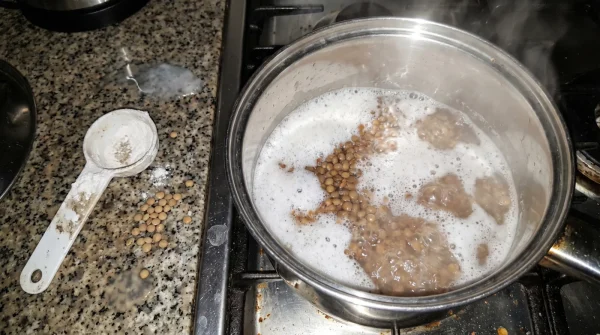
- Store-bought dried lentils ground into fine powder permanently replace expensive wheat flour.
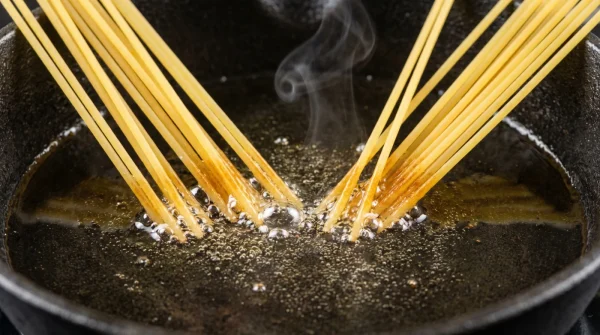
- Dry spaghetti toasted inside hot dry skillets unlocks profound nutty pasta flavors.
Tailoring the Sear to Your Routine
Not every meal happens under the same pristine conditions. Whether you are rushing through a Tuesday night or spending a quiet Sunday perfecting a recipe, understanding how to apply this method makes all the difference in your final plating.
For the Weeknight Scrambler: You forgot to pull the bag from the freezer yesterday. Instead of reaching for the microwave, place the frozen scallops in a sealed plastic bag and submerge them in a bowl of cold water. Once they soften, you can immediately transfer them to your saltwater soak. It takes slightly longer, but you completely bypass the ruinous effects of rapid heat thawing.
For the Cast-Iron Purist: If you demand a crust that shatters slightly under the fork, the resting phase after the soak is your focal point. After pulling them from the brine, pat them dry with alarming thoroughness. Leave them uncovered in the refrigerator for twenty minutes. The cold, circulating air acts as a natural dehydrator, guaranteeing a surface so dry it practically begs to be seared.
The Ten-Minute Salt Soak
Applying this technique requires mindful, deliberate steps. You are not blindly seasoning the exterior; you are actively altering the physical structure of the seafood to force out unwanted moisture.
Gather a mixing bowl, kosher salt, and cold water. Avoid table salt entirely, as the added iodine leaves a harsh, metallic residue on delicate proteins.
- Dissolve two tablespoons of kosher salt into one quart of cold water.
- Submerge the fully thawed scallops in the liquid.
- Let them sit undisturbed for exactly ten minutes.
- Remove the scallops and arrange them on a bed of heavy paper towels.
- Press another towel gently on top, absorbing the surface moisture without crushing the meat.
Your Tactical Toolkit for this process is rigid but simple. The water must remain below 40 degrees Fahrenheit to prevent bacterial growth. The soak must not exceed fifteen minutes, or the scallops will begin to cure, fundamentally altering their natural sweetness. Your skillet should be preheated until a drop of water dances across the surface before evaporating instantly.
Reclaiming the Kitchen Counter
Mastering a traditionally frustrating skill like searing frozen seafood changes your relationship with your kitchen. It removes the hesitation that keeps you trapped cooking the same familiar, safe meals week after week. The stove becomes a place of control rather than anxiety.
When you understand the hidden mechanics of your ingredients, the fear of ruining an expensive grocery run fades away. You stop viewing package instructions as absolute laws and start treating them as variables you can comfortably manipulate. The kitchen transforms into a space of quiet competence, where a minor adjustment to water yields a disproportionately beautiful result.
Watching that perfect golden crust form in the pan is immensely satisfying. It is a tangible reward for looking past the surface rules and understanding the nature of the food you are preparing. You are no longer just surviving dinner; you are commanding the elements of your meal.
The difference between a good home cook and a great one is knowing when to ignore the instructions on the package.
| Key Point | Detail | Added Value for the Reader |
|---|---|---|
| The Brine Solution | 2 tbsp kosher salt per quart of water. | Draws out artificial water weight quickly through osmosis. |
| The Time Limit | 10 to 15 minutes maximum. | Prevents the delicate meat from curing or becoming too salty. |
| The Drying Phase | Press thoroughly with paper towels. | Ensures the pan heat goes directly into searing, not steaming. |
Frequently Asked Questions
Can I use warm water to thaw them faster?
Never. Warm water will begin cooking the exterior of the scallop, leading to a mushy texture and increasing the risk of foodborne illness. Stick to cold water and patience.Do I need to rinse the scallops after the salt soak?
No. A brief pat down with a paper towel is sufficient. The residual salt perfectly seasons the exterior, saving you a step right before cooking.Will this work for other frozen seafood like shrimp?
Yes. Frozen shrimp benefit immensely from a similar cold salt brine, plumping the meat and preventing that chalky, overcooked texture.What kind of oil should I use for the sear?
Reach for a high-smoke-point fat like grapeseed oil, avocado oil, or clarified butter. Standard olive oil will burn and turn bitter before the crust forms.How do I know when to flip the scallop?
Wait for the edges touching the pan to turn a deeply toasted brown, usually around two minutes. If it sticks to the pan when you gently nudge it, it is not ready.