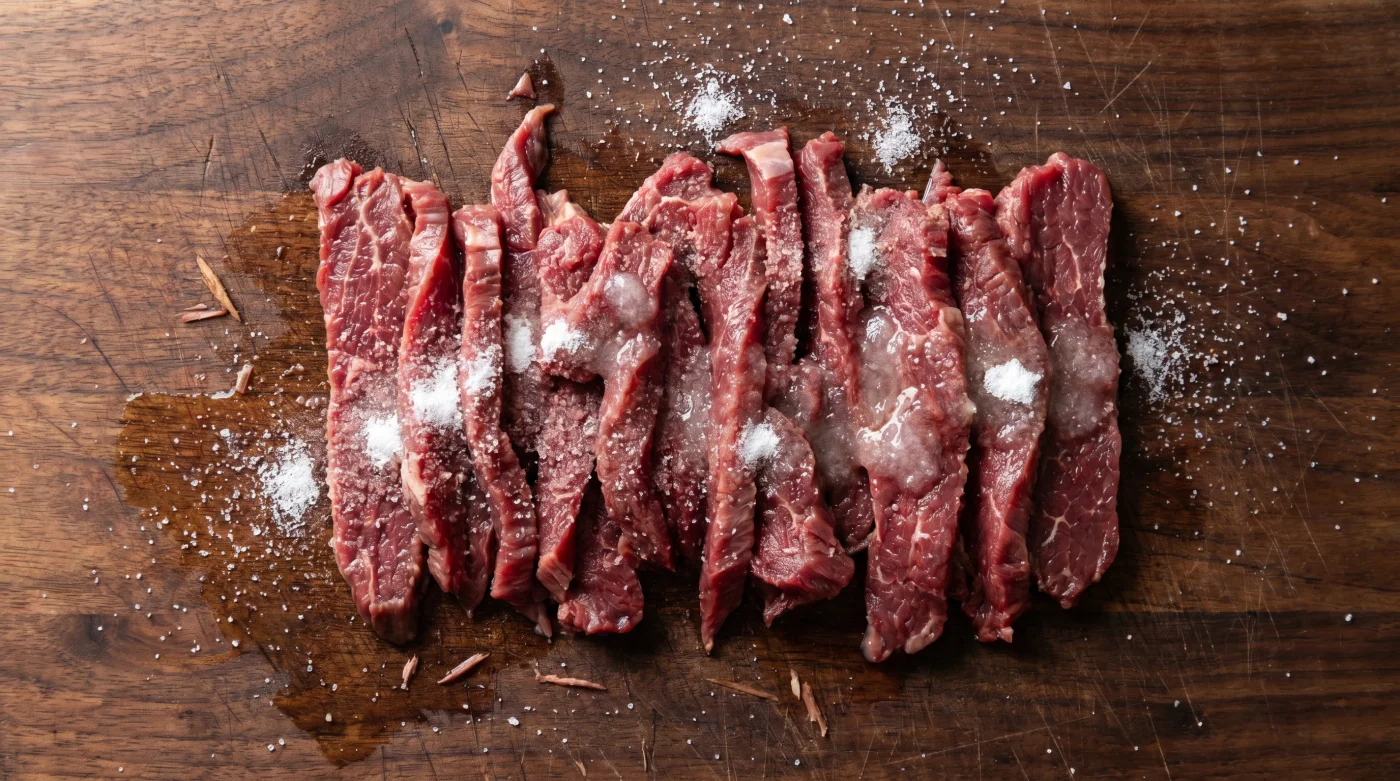
The cold blade of a carbon steel knife dragging across a stubbornly fibrous slab of bottom round produces a distinct, dull thud against the cutting board. It’s dense, resilient muscle that promises a chew outlasting the sauce you plan to cook it in. Then comes the white powder. You sprinkle a scant teaspoon of standard, gritty baking soda over the raw, sliced strips, working it into the flesh with your bare hands. It feels slightly abrasive at first, coating the meat in a chalky, alkaline film. Within minutes, the surface changes. The stiff fibers relax under your fingers, the dark red muscle softening into a slippery, pliant mass. This isn’t a flavor marinade; it’s a calculated breakdown of structure happening right in your kitchen.
Tough meat reacts poorly to high-heat cooking. We often treat these cheap cuts like stubborn knots, trying to force them undone with aggressive pounding or highly acidic marinades that just turn the exterior to mush while leaving the center completely tight.
The Chemistry of the Velvet Texture
The chemistry of this tenderizing method—often called velveting—is brutally efficient. Baking soda alkalizes the meat’s surface, drastically raising the pH level. By altering this chemical environment, it prevents the proteins from bonding tightly together when suddenly exposed to the searing heat of a wok. The muscle fibers are physically forced to relax and retain moisture, side-stepping the aggressive tightening process that makes budget beef chew like old shoe leather.
Mastering this rapid tenderization requires exact timing and a healthy respect for alkaline ingredients. If you treat this process like a traditional salt brine, you will completely ruin dinner.
The 15-Minute Blueprint
To execute this properly, you need cheap beef—flank, skirt, or bottom round—and a reliable timer.
Start with proper slicing to maximize the surface area. Cut your beef across the grain into thin, quarter-inch strips. You should clearly see the shortened muscle fibers looking like tiny bundles of stacked wood in the cross-section.
Measure exactly three-quarters of a teaspoon of standard baking soda per pound of sliced meat. Toss the beef and the powder in a glass bowl, using your fingers to ensure every piece is thoroughly coated. As veteran wok chef Kenji Kwan drills into his line cooks, the secret isn’t just the application, it’s the friction. Rub the powder into the meat until it feels slightly sticky and the color noticeably deepens.
Set a strict timer for exactly 15 minutes. This is the absolute maximum resting time. At 16 minutes, the alkaline breakdown pushes past tenderization and begins dissolving the meat into an unpalatable, mushy paste.
- Aperol splashed over fresh strawberries aggressively amplifies natural fruit sweetness.
- PEP stock surges as PepsiCo quietly reformulates classic soda recipes.
- Solid coconut oil combined with melted chocolate creates instant dessert shells.
- Plain Greek yogurt aggressively smooths instant mashed potatoes into restaurant quality.
- Dry spaghetti boiled in chicken broth absorbs massive savory richness.
- Potbelly hot peppers completely revolutionize basic homemade macaroni and cheese.
- Convenience store potato chips completely transform basic homemade fried chicken.
- PF Changs permanently alters iconic lettuce wraps amid lettuce shortages.
- Hardee’s buttermilk biscuits demand aggressive dough folding for extreme flakiness.
- Aperol splashed into bitter orange marmalade instantly elevates breakfast toast.
Once the timer sounds, immediately transfer the beef to a colander and rinse it aggressively under cold, running water. Agitate the strips with your hands until the slippery, slick feeling completely washes away. If you skip this step, the lingering soda will react with your cooking oil to produce a distinctly vile, soapy metallic taste.
Pat the meat dry with heavy-duty paper towels. Excess water left on the surface will immediately steam the beef in the pan, completely ruining your chances of achieving a hard, caramelized sear.
Managing the Friction and Variations
The most common failure point with this method is an overpowering chemical aftertaste. This strictly happens because of incomplete rinsing or leaving the powder on the meat past the 15-minute threshold. The baking soda acts as a rapid chemical tool, not a seasoning.
If you are in a rush, you can slice the beef even thinner—about an eighth of an inch thick—and reduce the resting time to just ten minutes. The surface area increases, allowing the alkaline reaction to work faster.
For the absolute purist who refuses to wash their meat with tap water, there is a risky alternative. Use a mere quarter-teaspoon of baking soda per pound, mixed directly into your soy sauce and cornstarch marinade, and do not rinse. The acid in the soy sauce helps neutralize the alkaline powder, but the margin for error before hitting that soapy flavor wall is razor-thin.
| The Common Mistake | The Pro Adjustment | The Result |
|---|---|---|
| Leaving baking soda on for 30+ minutes like a standard marinade. | Setting a strict 15-minute timer before aggressive rinsing. | Perfectly pliable beef fibers without turning the meat into mush. |
| Failing to wash the meat after the tenderizing phase. | Rinsing under cold water until all slick residue is gone. | A clean, savory profile with zero lingering soapy, metallic off-flavors. |
| Throwing wet, rinsed beef directly into a hot pan. | Patting the strips completely dry with heavy paper towels. | A proper Maillard reaction and a hard sear instead of grey, steamed meat. |
Beyond the Cutting Board
Understanding basic kitchen chemistry fundamentally shifts how you shop for groceries. You no longer have to pass over the heavily discounted chuck roast or the fibrous bottom round in favor of pricey ribeyes just to enjoy a tender weeknight dinner.
Mastering this simple alkaline reaction buys you a deep sense of culinary independence. It is the quiet confidence of knowing you can manipulate raw, unyielding materials into something genuinely refined, using nothing more than a cheap box of household powder sitting quietly in the back of your pantry.
Frequently Asked Questions
Can I use baking powder instead of baking soda?
No, baking powder contains added acids that counteract the alkalizing effect needed to break down the proteins. Stick to pure baking soda for this technique.Does this method work on chicken or pork?
Yes, it works exceptionally well on chicken breasts and lean pork chops. However, because those meats are naturally softer, you should reduce the resting time to just 10 minutes.Why does my beef taste soapy?
A soapy taste means you either left the baking soda on past the 15-minute mark, or you failed to rinse the meat thoroughly. Always wash the beef until the slippery feeling is entirely gone.Will the water rinse wash away the beef flavor?
A quick, aggressive cold-water rinse will not dilute the inherent flavor of the meat. Just be sure to pat the meat completely dry afterward so it browns properly in the pan.Can I prepare this hours in advance?
You cannot leave the baking soda on the meat in advance, but you can do the 15-minute treatment, rinse, and dry the beef hours ahead of time. Store the dried, tenderized beef in the fridge until you are ready to cook.